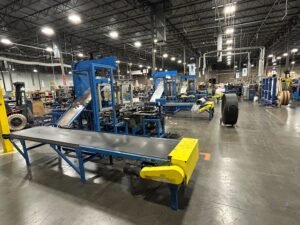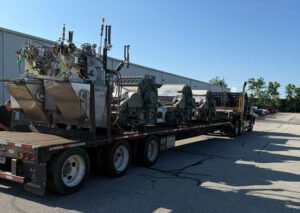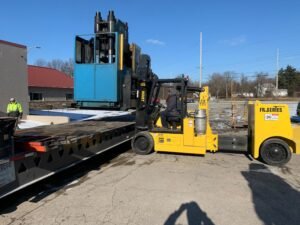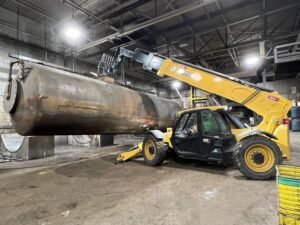
Relocating complex machinery is a task that requires specialized knowledge, meticulous planning, and the coordinated efforts of experienced professionals. Heavy duty movers deal with challenges far beyond standard moving services. From handling oversized loads to ensuring safety, compliance, and minimal downtime, the planning process for complex machinery relocation is a finely tuned art backed by engineering precision.
In this comprehensive guide, we’ll break down how heavy duty movers approach these projects step by step, from initial planning to execution and post-move optimization.
Introduction to Complex Machinery Relocation
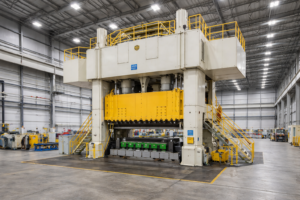
Industrial machinery often includes equipment such as presses, CNC machines, turbines, conveyors, boilers, reactors, and specialized manufacturing systems. Relocating these assets is not just about transporting heavy objects—it’s about moving the heart of production.
Complex machinery relocation involves:
-
Weight & Dimension Challenges: Machines can weigh anywhere from a few tons to hundreds of tons.
-
Technical Disassembly & Reassembly: Precision is required to avoid misalignment or damage.
-
Risk Management: Safety, environmental compliance, and operational continuity are major considerations.
-
Specialized Equipment: Cranes, rigging, jacks, skates, hydraulic lifts, and custom trailers are essential.
Heavy duty movers combine engineering, logistics, and project management to complete relocations without costly downtime.
Initial Consultation and Needs Assessment
Every machinery relocation project starts with an in-depth assessment. Movers collaborate with plant managers, engineers, and safety officers to define project scope.
Key Components of the Assessment
-
Site Surveys: Both origin and destination sites are surveyed to understand floor conditions, clearance, and load-bearing capacity.
-
Machinery Evaluation: Dimensions, weight, fragility, and disassembly requirements are recorded.
-
Production Constraints: Timelines are aligned with production schedules to minimize downtime.
-
Risk Identification: Hazards such as confined spaces, high voltage connections, and hazardous materials are documented.
-
Compliance Checks: Legal, environmental, and permitting requirements are reviewed.
This stage lays the foundation for an accurate project plan.
Detailed Project Planning
Once the assessment is complete, heavy duty movers design a relocation plan that addresses every variable.
Elements of a Relocation Plan
-
Timeline Development: Sequenced tasks to minimize interruptions.
-
Resource Allocation: Crew size, expertise, and equipment requirements.
-
Budget Forecasting: Cost estimates with contingencies for unexpected delays.
-
Permits & Regulations: Oversized load permits, road closures, and OSHA compliance.
-
Communication Protocols: Clear reporting channels for all stakeholders.
A strong plan anticipates problems before they occur.
Engineering & Technical Preparations
Engineering plays a central role in complex relocations. Movers must calculate load stresses, clearances, and anchoring points before any equipment is touched.
Engineering Considerations
-
Structural Analysis: Ensuring floors, ramps, and transport trailers can handle the load.
-
Rigging Studies: Identifying lift points, balance centers, and rigging sequences.
-
Custom Solutions: Designing steel frames, skids, or lifting beams where needed.
-
Utility Disconnects: Safe shutdown of electricity, hydraulics, pneumatics, and cooling systems.
-
Documentation: Machine drawings, alignment records, and manufacturer specifications guide the process.
This ensures that the machinery will not only move safely but can also be reinstalled to function as intended.
Safety Planning
Safety is a non-negotiable priority for heavy duty movers. Large machinery poses risks to both workers and facilities if handled improperly.
Safety Protocols
-
Pre-Move Safety Meetings: All crew members are briefed on hazards and emergency protocols.
-
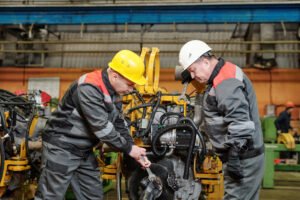
PPE Compliance: Helmets, harnesses, steel-toe boots, and gloves are mandatory.
-
Lockout/Tagout Procedures: Energy sources are fully shut down before disassembly.
-
Fall Protection & Confined Space Standards: For high lifts and tight installations.
-
Fire & Environmental Safety: Contingencies for spills, sparks, or hazardous leaks.
A culture of safety reduces accidents, delays, and liability.
Disassembly and Preparation
Most complex machinery cannot be transported in one piece. Disassembly is often required to ensure safe handling and reinstallation.
Disassembly Steps
-
Labeling & Documentation: Every component is tagged for accurate reassembly.
-
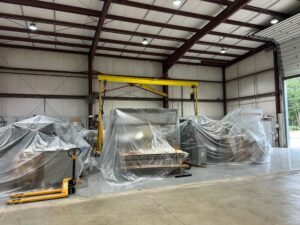
Protective Packaging: Fragile parts are cushioned and wrapped.
-
Fluid Removal: Oils, coolants, and chemicals are drained safely.
-
Component Inventory: Parts are logged to avoid losses.
-
Special Handling for Sensitive Equipment: Electronics, sensors, and precision tools are packed with care.
Preparation ensures that nothing is damaged or lost during transit.
Rigging and Lifting Operations
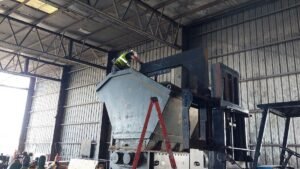
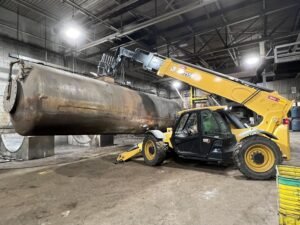
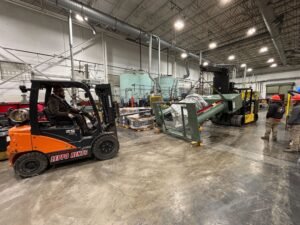
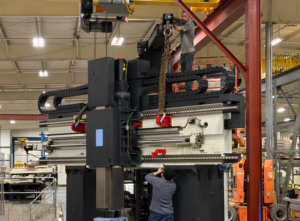
Rigging is one of the most critical phases of machinery relocation. Heavy duty movers use cranes, hydraulic jacks, gantries, and forklifts to move massive equipment.
Rigging Techniques
-
Hydraulic Gantries: For vertical lifting in confined spaces.
-
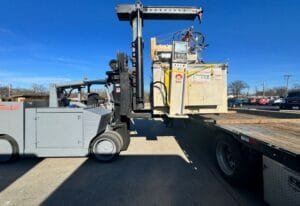
Cranes & Boom Trucks: For outdoor lifts and oversized loads.
-
Roller Skates & Air Casters: For maneuvering machinery indoors.
-
Synchronized Lifting: Multiple jacks working simultaneously to balance heavy loads.
Experienced riggers ensure precise control during lifts to prevent accidents.
Transportation & Logistics
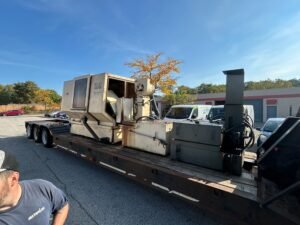
Once machinery is safely rigged, the next step is transportation. This requires coordination with logistics experts.
Transportation Considerations
-
Route Planning: Roads, bridges, and tunnels must be evaluated for weight limits.
-
Permitting: Oversized loads often require escort vehicles and special approvals.
-
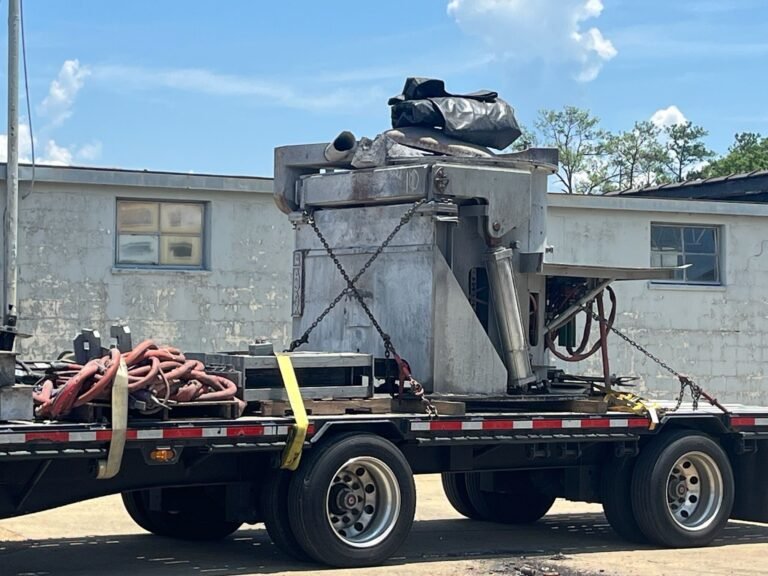
Specialized Trailers: Lowboys, multi-axle trailers, and extendable platforms are used.
-
Shock Absorption: Vibration-control systems protect delicate machinery.
-
Weather Planning: Moves may be delayed in case of storms or extreme heat.
Heavy duty movers ensure that transportation is seamless from origin to destination.
Delivery, Installation & Alignment
At the destination site, movers carefully unload, reassemble, and reinstall the machinery.
Installation Steps
-
Unloading: Cranes or gantries place machinery in the correct area.
-
Positioning: Precision instruments ensure proper leveling and alignment.
-
Anchoring: Bolting and securing to reinforced flooring.
-
Utility Reconnection: Electrical, hydraulic, and pneumatic systems are restored.
-
Testing & Calibration: Equipment is tested to verify functionality.
This phase ensures machinery is production-ready in the shortest possible time.
Post-Relocation Support
Heavy duty movers provide support even after relocation is complete.
Support Services
-
Performance Testing: Ensuring output matches pre-relocation standards.
-
Preventive Maintenance Checks: Lubrication, tightening, and adjustments.
-
Training: Guiding employees on operating relocated equipment.
-
Documentation: Updated manuals, drawings, and relocation reports.
Post-move services help companies resume operations quickly and efficiently.
Challenges in Complex Machinery Relocation
Despite detailed planning, challenges are common in large-scale relocations.
-
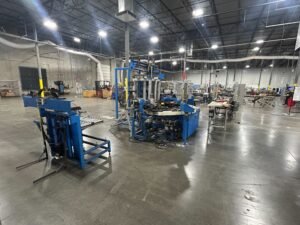
Space Constraints: Navigating machinery through narrow aisles.
-
Unforeseen Delays: Permit approvals or weather conditions.
-
Fragile Components: High risk of damage to sensors or electronics.
-
International Relocation: Customs regulations and shipping challenges.
-
Budget Overruns: Additional costs due to downtime or unexpected issues.
Experienced movers mitigate these risks with contingency plans.
Why Companies Hire Professional Heavy Duty Movers
Plant managers often wonder why professional movers are necessary instead of internal teams. The answer lies in efficiency, safety, and expertise.
Benefits of Professional Movers
-
Specialized Equipment Access
-
Experienced Rigging Crews
-
Regulatory Knowledge
-
Insurance Coverage
-
Faster Execution & Minimal Downtime
Professional heavy duty movers ensure that multi-million-dollar machinery is protected and operations are resumed quickly.
Why Alltracon is the Best for Machinery Relocation
Alltracon stands out as the trusted partner for complex machinery relocation. With decades of experience, advanced rigging technology, and a dedicated safety-first approach, Alltracon ensures seamless moves with minimal downtime. Their expert team specializes in handling oversized, delicate, and mission-critical equipment, making them the best choice for heavy duty relocation.
Conclusion
Complex machinery relocation is a monumental task that demands precision, planning, and teamwork. From initial assessment to post-installation support, every step is engineered for safety, efficiency, and continuity. Companies that rely on professional heavy duty movers can avoid costly downtime, prevent accidents, and ensure seamless transitions to new facilities.