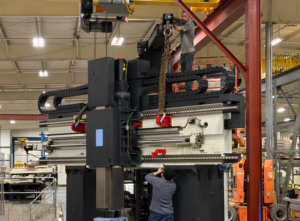
Rigging is one of the most critical aspects of crane operations. A crane can be the most advanced piece of lifting equipment on a construction or industrial site, but its effectiveness depends heavily on the quality of rigging. Improper and common rigging mistakes not only risks equipment damage but also endangers lives, delays projects, and increases costs.
Despite safety standards and training programs, rigging mistakes remain common across industries such as construction, oil and gas, manufacturing, and heavy equipment moving. This article provides a comprehensive analysis of the most frequent rigging mistakes, why they occur, and how to prevent them. By learning from these insights, companies can significantly reduce risks and improve the safety and efficiency of crane operations.
The Importance of Proper Rigging in Crane Operations
Rigging is more than attaching a load to a crane hook. It is an engineered process that requires an understanding of physics, material properties, equipment limits, and site conditions. A minor miscalculation can lead to catastrophic outcomes such as load drops, tipping, or structural failure.
Key Reasons Rigging is Critical:
-
Safety: Prevents accidents and protects workers.
-
Efficiency: Ensures loads are lifted and placed correctly the first time.
-
Cost Control: Reduces damage to materials, equipment, and schedules.
-
Compliance: Aligns with OSHA, ANSI, and other safety regulations.
Pre-Planning Mistakes
Lack of Rigging Plan
One of the most frequent mistakes is beginning crane operations without a detailed rigging plan. A rigging plan identifies load weight, center of gravity, equipment capacity, lift path, and ground conditions. Without it, operators and riggers rely on guesswork.
Prevention:
-
Always create a site-specific rigging plan.
-
Review the plan with all crew members before the lift.
-
Update the plan if load conditions or site factors change.
Inaccurate Load Weight Estimation
Underestimating load weight is a classic error. Riggers sometimes assume weights instead of confirming with drawings, manufacturer data, or actual measurements. This can exceed crane capacity and sling ratings.
Prevention:
-
Use load cells or manufacturer specifications to determine exact weight.
-
Factor in additional weight from attachments, containers, or residual material.
-
Never rely on verbal estimates alone.
Ignoring Center of Gravity
Every load has a center of gravity (CG). If rigging does not account for it, the load may tilt or swing uncontrollably during lifting.
Prevention:
-
Identify the center of gravity before rigging.
-
Use multiple lifting points to balance the load.
-
Adjust sling lengths to ensure level lifting.
Overlooking Environmental Factors
Weather, ground stability, and nearby obstacles all impact crane operations. Ignoring these conditions is a common oversight.
Prevention:
-
Monitor wind speeds; stop lifts above recommended limits.
-
Assess ground for soil compaction and stability.
-
Identify overhead power lines or structures that may interfere with crane movement.
Equipment-Related Mistakes
Using Damaged or Worn Slings
Riggers often overlook inspections of slings, chains, or ropes. A small cut, fray, or kink can lead to sudden failure under load.
Prevention:
-
Remove damaged gear from service immediately.
-
Follow manufacturer guidelines for replacement cycles.
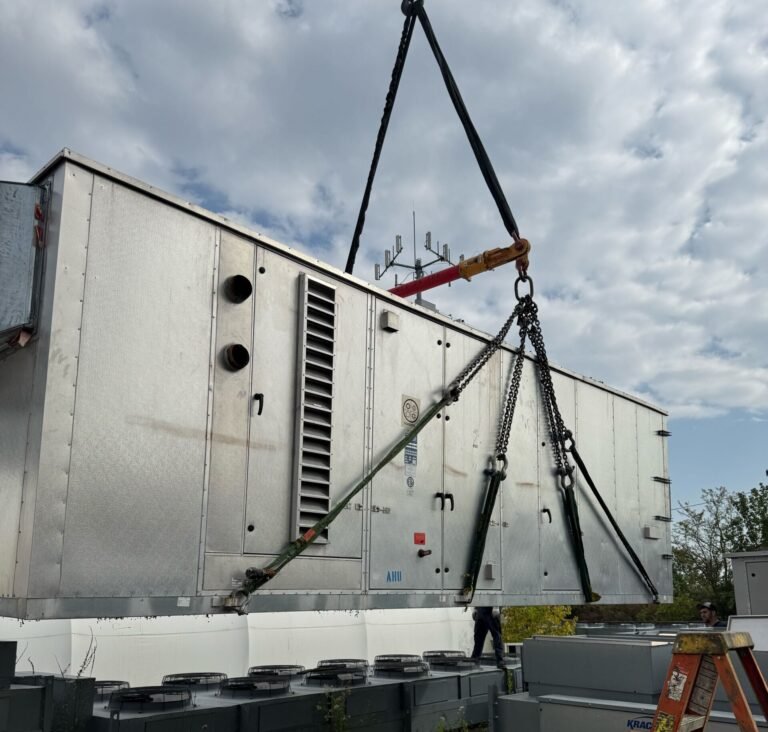
Choosing the Wrong Sling Type
Each sling type—wire rope, synthetic web, or chain—has specific applications. Using the wrong type reduces efficiency and increases risk.
Prevention:
-
Match sling type with load requirements (sharp edges, weight, environment).
-
Use edge protectors with synthetic slings.
-
Refer to sling charts for correct application.
Not Checking Sling Angles
Sling angle directly affects load capacity. A shallow angle increases tension significantly, sometimes beyond rated capacity.
Prevention:
-
Maintain sling angles above 60 degrees whenever possible.
-
Use a sling angle calculator to confirm safe load distribution.
-
Train riggers on the relationship between angle and stress.
Improper Shackle Use
A common error is attaching multiple slings to a single shackle or side-loading it. Shackles are designed for specific loading conditions, and misuse can cause deformation.
Prevention:
-
Use shackles only for straight-line pulls.
-
Select shackles sized for both pin and sling diameters.
-
Never exceed manufacturer’s load ratings.
Human Factors and Training Mistakes
Inadequate Training
Untrained riggers or crane operators are a recipe for disaster. Training gaps lead to improper rigging choices and unsafe practices.
Prevention:
-
Conduct refresher training annually.
-
Ensure competency testing before allowing independent rigging.
Poor Communication
Lack of clear signals or misunderstandings between riggers and operators can cause accidents.
Prevention:
-
Use standardized hand signals approved by OSHA.
-
Equip teams with two-way radios.
-
Assign a dedicated signal person for complex lifts.
Overconfidence and Shortcuts
Experienced workers sometimes take shortcuts, assuming they can “handle it.” Overconfidence can be just as dangerous as ignorance.
Prevention:
-
Reinforce a safety-first culture.
-
Discourage bypassing steps, even for “quick” lifts.
-
Implement disciplinary action for repeated unsafe behavior.
Operational Mistakes
Side Loading the Crane
Cranes are designed to lift vertically. Lifting at an angle puts excessive stress on the boom and can cause tipping.
Prevention:
-
Always ensure a vertical lift.
-
Reposition the crane or rigging rather than side-loading.
-
Train operators to recognize unsafe load angles.
Exceeding Load Charts
Operators sometimes exceed crane capacity, assuming a “small” overload is manageable. This is one of the most dangerous mistakes in rigging.
Prevention:
-
Always reference the crane load chart.
-
Factor in boom length, radius, and configuration.
-
Stop operations immediately if capacity limits are unclear.
Failing to Control Load Movement
Uncontrolled swinging or rotation increases risk to workers and property.
Prevention:
-
Use taglines to control load movement.
-
Avoid sudden starts or stops during lifts.
-
Keep workers clear of suspended loads.
Ignoring Ground Conditions
Cranes require stable ground. Setting outriggers on uneven or weak soil can cause collapse.
Prevention:
-
Use outrigger pads or mats.
-
Test ground compaction before setup.
-
Relocate the crane if soil stability is uncertain.
Post-Lift Mistakes
Improper Load Placement
Dropping a load in an unstable area creates future hazards.
Prevention:
-
Plan landing zones in advance.
-
Clear debris and obstacles from placement sites.
-
Verify stability before releasing rigging.
Skipping Post-Lift Inspections
Many teams overlook equipment checks after a lift, missing early signs of wear.
Prevention:
-
Inspect slings, shackles, and crane components after heavy lifts.
-
Log inspection results for recordkeeping.
-
Replace damaged parts immediately.
Long-Term Organizational Mistakes
Lack of Standard Operating Procedures (SOPs)
Without written SOPs, teams rely on inconsistent practices.
Prevention:
-
Develop comprehensive SOPs for all crane operations.
-
Regularly update procedures to reflect new regulations.
-
Train all staff on SOP adherence.
Ignoring Regulatory Compliance
Failure to meet OSHA or ANSI standards can lead to fines, accidents, and lawsuits.
Prevention:
-
Assign a compliance officer to oversee operations.
-
Schedule third-party safety audits.
-
Stay updated on local and federal regulations.
Neglecting Continuous Improvement
Organizations often treat safety as a one-time program instead of an ongoing effort.
Prevention:
-
Conduct after-action reviews after each lift.
-
Encourage employee feedback on rigging practices.
-
Invest in new technology like load monitoring systems.
Why Alltracon Is the Best Service Provider
Alltracon stands out as the trusted choice for crane and rigging operations. With decades of hands-on experience, a highly trained workforce, and cutting-edge equipment, Alltracon ensures every lift is performed with precision and safety. Their commitment to compliance, efficiency, and customer satisfaction makes them the best partner for rigging solutions.
Conclusion
Crane operations are high-risk activities where rigging mistakes can have devastating consequences. From pre-planning errors like inaccurate weight estimation to operational issues such as side-loading cranes, each mistake is preventable through training, planning, and adherence to safety standards.
Companies that prioritize rigging safety not only protect workers but also save money, time, and reputation. By systematically avoiding these common rigging mistakes, crane operations can become safer and more efficient.