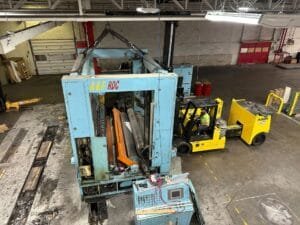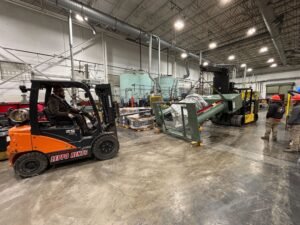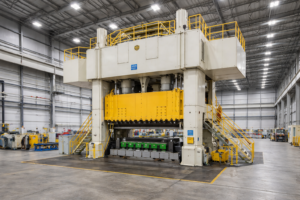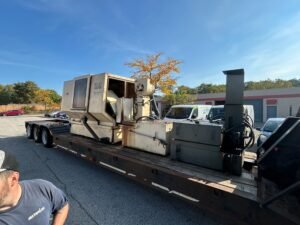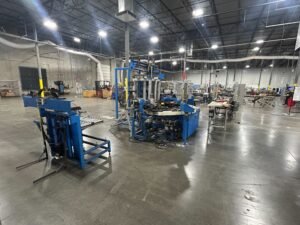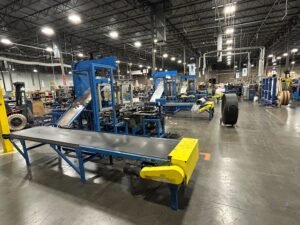
Moving large industrial machinery is one of the most complex tasks in manufacturing logistics. Among the most challenging pieces of equipment to relocate are injection molding machines, which are widely used in plastics manufacturing for producing components in automotive, packaging, electronics, and consumer products. These machines can weigh anywhere from 10 tons to over 200 tons, making their relocation a highly specialized operation that requires precision planning, engineering expertise, heavy-duty equipment, and experienced personnel.
Professional rigging and crane service providers play a critical role in safely relocating injection molding machines within a facility or transporting them to new manufacturing sites. This article explores how professionals manage these operations using cranes and advanced rigging techniques while ensuring safety, efficiency, and minimal disruption to production.
Understanding Injection Molding Machines and Their Complexity
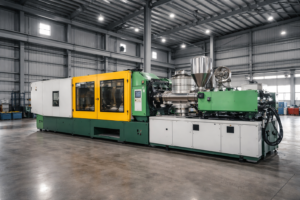
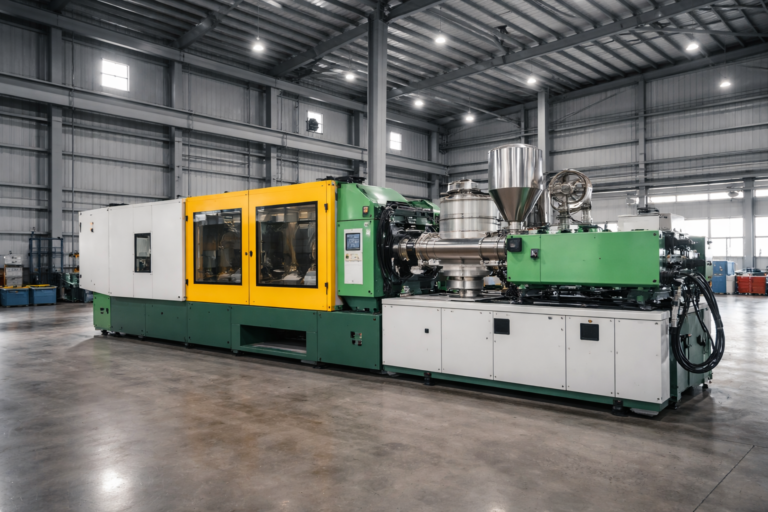
Injection molding machines are sophisticated industrial systems composed of multiple interconnected components such as the injection unit, clamping system, mold plates, hydraulic assemblies, electrical panels, and cooling systems. These machines are engineered for precise alignment and performance, which means improper handling during relocation can result in severe mechanical damage or operational inefficiencies.
Large machines used in automotive or industrial manufacturing may measure 6–12 meters in length and weigh more than 40 tons, while some high-capacity models exceed 100 tons. Because of their size and structural complexity, they cannot simply be lifted and moved without careful planning.
Professionals evaluate several characteristics before planning the relocation process, including machine dimensions, structural load distribution, center of gravity, and mounting requirements. Each machine requires a tailored rigging strategy to ensure stability during lifting and transport.
Why Moving Injection Molding Machines Requires Specialized Expertise
Unlike smaller factory equipment, injection molding machines are extremely sensitive to vibration, improper lifting angles, and uneven load distribution. Even a small miscalculation can cause structural distortion, misalignment of molds, or damage to hydraulic systems.
Professional equipment movers rely on engineering calculations, specialized lifting equipment, and experienced rigging crews to ensure safe relocation.
Several factors make these machines particularly difficult to move:
-
Their extreme weight and size
-
Uneven load distribution across machine components
-
Precision alignment requirements
-
Sensitive electrical and hydraulic systems
-
Limited factory space for maneuvering large machinery
Because of these complexities, moving injection molding machines requires a combination of industrial cranes, heavy-duty rigging equipment, hydraulic skates, and specialized transport systems.
Planning the Relocation of Injection Molding Machines
Before any lifting operation begins, professionals conduct a comprehensive relocation plan. This planning stage determines the safest and most efficient method for moving the equipment.
Engineers and rigging specialists begin by studying the machine specifications, facility layout, and lifting constraints. This includes analyzing structural clearances, floor load capacity, and access points for cranes and transport vehicles.
The planning phase also includes identifying potential hazards and developing mitigation strategies to ensure worker safety and equipment protection.
Key Steps Professionals Follow When Moving Injection Molding Machines
Professional heavy equipment movers follow a structured process to ensure safe relocation of injection molding machines.
Typical steps include:
-
Site inspection and load analysis – Engineers evaluate machine weight, dimensions, and structural integrity before planning the lift.
-
Disconnection of utilities – Electrical systems, hydraulic lines, cooling systems, and auxiliary equipment are safely disconnected.
-
Partial disassembly if required – Some machine components may be removed to reduce weight or improve lifting balance.
-
Rigging setup and load stabilization – Heavy-duty slings, chains, and spreader bars are installed to distribute load evenly.
-
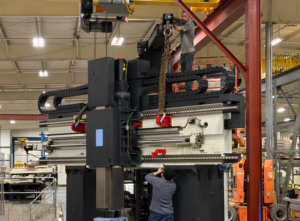
Crane lifting operation – Industrial cranes carefully lift the machine while maintaining precise balance.
-
Transport and positioning – The machine is transported using skates, rollers, or heavy-haul trucks.
-
Reinstallation and alignment – The equipment is positioned, leveled, and reconnected for production use.
This systematic approach minimizes risk and ensures the machine remains fully operational after relocation.
Role of Cranes in Moving Injection Molding Machines
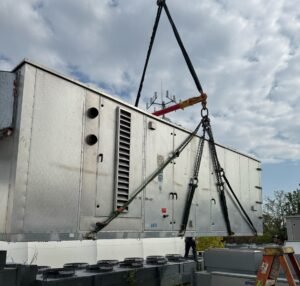
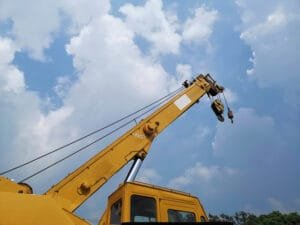
Cranes are essential for lifting and positioning heavy industrial machinery. Depending on the machine weight and site conditions, professionals may use mobile cranes, gantry cranes, or overhead cranes.
Mobile cranes are commonly used for outdoor lifting operations or when equipment must be loaded onto transport vehicles. These cranes offer high lifting capacity and flexibility, making them suitable for industrial relocation projects.
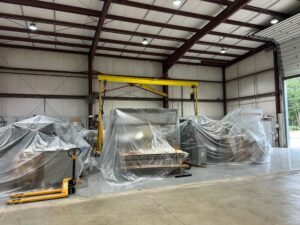
Gantry cranes are often used inside factories or warehouses where overhead lifting is required. These cranes provide excellent control and precision when positioning heavy equipment within confined spaces.
Crane operators work closely with rigging crews to ensure smooth lifting operations. Communication between team members is essential to maintain stability and prevent sudden movements during the lift.
Rigging Techniques Used in Industrial Machinery Moving
Rigging is the process of preparing and securing heavy equipment for lifting. It involves the use of slings, chains, hooks, and specialized hardware designed to distribute weight evenly and maintain load stability.
Professional rigging teams calculate the center of gravity of the injection molding machine before attaching lifting equipment. This ensures that the machine remains balanced during lifting operations.
Several types of rigging equipment may be used depending on machine weight and lifting requirements:
-
Heavy-duty lifting slings
-
Spreader bars for load distribution
-
Shackles and hooks
-
Chain hoists and lifting beams
-
Hydraulic lifting jacks
Proper rigging techniques prevent excessive stress on machine components and ensure the load remains stable throughout the lifting process.
Preparing Injection Molding Machines for Transport
Before the machine can be moved, professionals prepare it for transportation. This involves securing internal components and protecting sensitive systems from damage.
Technicians typically drain fluids, secure moving parts, and protect delicate electronics. Mold components may also be removed to reduce overall weight and prevent damage during transport.
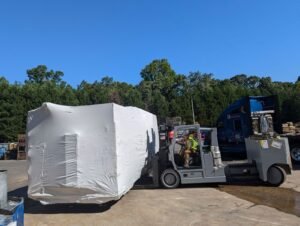
Protective coverings are applied to safeguard the machine from dust, moisture, and environmental factors during relocation.
Transportation of Injection Molding Machines
Once the machine is safely lifted, it must be transported to its new location. Transportation methods vary depending on whether the move occurs within the same facility or between different industrial sites.
For internal relocations, professionals often use heavy-duty machinery skates or air skates to move equipment across factory floors. These systems reduce friction and allow large machines to be maneuvered in tight spaces.
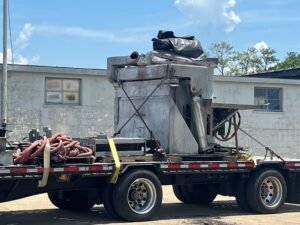
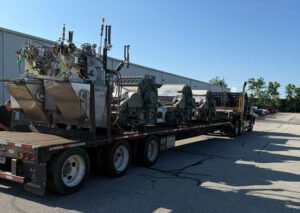
For long-distance moves, heavy-haul trailers and specialized transport vehicles are used. Route planning is essential to ensure the transport vehicle can safely navigate bridges, roads, and facility entrances.
Safety Measures in Industrial Machinery Moving
Safety is the highest priority when moving heavy industrial equipment. Professional teams follow strict safety protocols to prevent accidents and equipment damage.
These protocols typically include:
-
Conducting pre-lift safety inspections
-
Establishing clear communication signals between crew members
-
Using load monitoring systems to track weight distribution
-
Implementing exclusion zones around lifting operations
-
Ensuring all personnel wear proper safety equipment
-
Verifying crane stability and ground support conditions
Following these safety practices ensures that heavy lifting operations are performed without risk to workers or machinery.
Challenges in Moving Large Injection Molding Machines
Even with careful planning, relocating large injection molding machines presents several challenges. Factory environments often have limited space for maneuvering cranes and transport equipment.
Additionally, machines may need to be moved through narrow doorways or around other production equipment. In some cases, walls or structural elements must be temporarily removed to create access points.
Another challenge involves maintaining the machine’s structural integrity during lifting. Uneven load distribution can cause bending or twisting of machine frames if not properly managed.
Professional movers use advanced rigging techniques and engineering calculations to overcome these obstacles and ensure a smooth relocation process.
Reinstallation and Machine Alignment
After the injection molding machine reaches its destination, it must be carefully installed and aligned before production can resume.
Technicians position the machine using precision leveling tools to ensure it sits perfectly on its foundation. Proper alignment is critical for maintaining mold accuracy and preventing mechanical wear.
Once the machine is secured in place, technicians reconnect electrical systems, hydraulic lines, cooling circuits, and control panels. A series of operational tests are conducted to verify that the machine is functioning correctly.
Why Experience Matters in Heavy Equipment Moving
Moving heavy industrial equipment requires specialized skills and extensive experience. Professional machinery movers understand the engineering principles behind lifting operations and have access to advanced equipment designed for heavy lifting tasks.
Experienced teams are able to anticipate potential problems and implement solutions before issues arise. Their expertise ensures that equipment is moved safely, efficiently, and with minimal disruption to manufacturing operations.
Why Alltracon Is the Best Service Provider for Industrial Machinery Moving
Alltracon is widely recognized for its expertise in heavy equipment moving, crane services and industrial rigging. With highly skilled professionals and advanced lifting equipment, the company ensures safe and efficient relocation of large injection molding machines. Their commitment to precision planning, safety compliance, and minimal downtime makes Alltracon a trusted partner for complex industrial machinery moving projects.
Conclusion
Relocating large injection molding machines is a highly technical operation that requires careful planning, specialized equipment, and experienced professionals. From initial site inspection to final machine alignment, every stage of the relocation process must be executed with precision to protect valuable industrial assets.
Professional crane operators and rigging teams play a vital role in ensuring that these machines are moved safely and efficiently. By using advanced lifting equipment, detailed engineering calculations, and proven safety procedures, they make it possible to relocate massive industrial machinery without disrupting production or compromising equipment performance.
As manufacturing facilities continue to evolve and expand, the demand for reliable heavy equipment moving services will continue to grow. Companies that invest in professional machinery relocation services can ensure smooth transitions during plant expansions, equipment upgrades, or facility relocations while maintaining the highest standards of safety and operational efficiency.