Growth is a defining milestone for any manufacturing business. Increased orders, expanded product lines, technological upgrades, mergers, acquisitions, or market diversification often push manufacturers beyond the limits of their current facilities. When production capacity, logistics flow, or infrastructure constraints begin restricting expansion, plant relocation becomes a strategic necessity rather than a mere operational decision.
Plant relocation for growing manufacturers is not simply about moving machinery from one building to another. It is a complex transformation involving engineering, logistics, workforce management, regulatory compliance, risk mitigation, and long-term strategic planning. A well-executed relocation can unlock efficiency, reduce operational costs, improve safety, increase production capacity, and strengthen competitive positioning. Poorly planned relocation, however, can lead to downtime, cost overruns, safety hazards, lost productivity, and damaged customer relationships.
This comprehensive guide explores plant relocation from a strategic and operational perspective, specifically tailored to growing manufacturers who aim to scale responsibly and sustainably.
Why Growing Manufacturers Consider Plant Relocation
Manufacturers typically relocate facilities due to one or more growth-driven factors. Expansion is the most common driver. When production lines outgrow the current footprint, additional space becomes essential for new machinery, automation systems, warehousing, and material handling pathways.
Infrastructure modernization is another significant factor. Older facilities often lack sufficient electrical capacity, reinforced flooring, crane systems, ventilation, or environmental compliance standards needed for modern manufacturing. Instead of retrofitting outdated infrastructure at high cost, relocation to a purpose-built facility can be more economical and future-proof.
Supply chain optimization also plays a role. Relocating closer to raw material sources, distribution hubs, ports, or major transportation corridors reduces logistics costs and lead times. As manufacturers scale nationally or globally, geographic repositioning becomes part of competitive strategy.
Workforce and regulatory considerations further influence relocation decisions. Manufacturers expanding into regions with skilled labor availability, favorable tax incentives, or business-friendly policies can strengthen long-term growth potential.
Plant relocation is therefore not simply a logistical exercise; it is a strategic growth enabler.
Strategic Planning: The Foundation of Successful Relocation
Strategic planning must begin months, and sometimes years, before physical relocation occurs. Growing manufacturers need to evaluate their five-to-ten-year expansion forecasts. Capacity planning should consider not only current growth but projected demand increases, automation investments, and new product development.
Facility design planning must integrate production flow optimization. Engineers assess raw material intake points, machining zones, assembly lines, quality control areas, packaging stations, warehousing, and shipping docks. Lean manufacturing principles should guide layout design to reduce material movement, minimize bottlenecks, and enhance productivity.
Financial modeling is equally critical. Relocation involves capital expenditure on equipment dismantling, transport, installation, structural modifications, utilities, downtime coverage, and potential overlap costs between old and new facilities. A detailed budget forecast with contingency allowances prevents unexpected financial strain.
Risk assessment planning must identify potential disruptions, including equipment damage, supply chain interruptions, regulatory delays, or workforce attrition. Early risk mitigation strategies protect production continuity.
In growing manufacturers, plant relocation should align with corporate expansion goals rather than operate as a standalone project.
Engineering Assessment and Equipment Evaluation
Before relocation begins, every piece of equipment must undergo engineering evaluation. This assessment identifies dismantling requirements, structural reinforcement needs, rigging complexities, and reinstallation procedures.
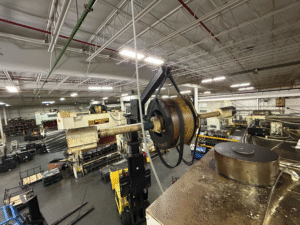
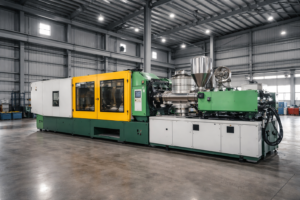
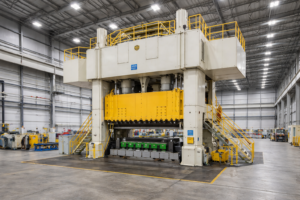
Heavy manufacturing equipment such as presses, CNC machines, injection molding systems, stamping lines, boilers, furnaces, or turbines require precise engineering calculations. Weight distribution, center of gravity, anchoring systems, and foundation specifications must be documented.
Growing manufacturers often use relocation as an opportunity to upgrade or retire outdated machinery. Equipment audits allow decision-makers to eliminate inefficiencies, consolidate processes, and modernize production lines.
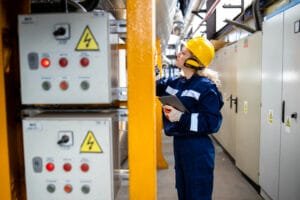
Utilities such as compressed air systems, cooling towers, electrical panels, and dust collection systems require thorough documentation and mapping. Without precise planning, reconnecting utilities can cause prolonged downtime.
Engineering documentation ensures that equipment is dismantled safely, transported securely, and reinstalled with alignment accuracy.
Facility Design and Layout Optimization
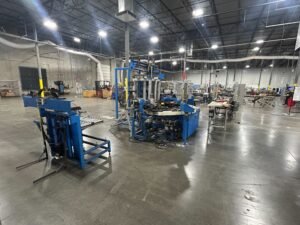
Relocation presents a rare opportunity to redesign production layout for maximum efficiency. Instead of replicating old inefficiencies, manufacturers should analyze workflow data and identify productivity gaps.
Modern layout planning incorporates automation zones, robotic integration, conveyor systems, AGV pathways, and ergonomic workstations. Digital twin simulations can model workflow scenarios before installation begins.
Floor loading capacity must be verified to accommodate heavy machinery. Structural engineers assess slab thickness, reinforcement requirements, and vibration control.
Energy efficiency should be prioritized. LED lighting, optimized HVAC systems, and energy-efficient equipment reduce long-term operating costs. Sustainability considerations increasingly influence relocation decisions, particularly for manufacturers seeking ESG compliance.
A well-designed facility enhances output, reduces operational waste, and improves employee safety and morale.
Regulatory Compliance and Permitting
Plant relocation involves numerous regulatory considerations. Zoning approvals, environmental permits, occupational safety regulations, and building inspections must be addressed early in the planning stage.
Manufacturers handling hazardous materials must comply with environmental standards for waste disposal, emissions, and storage. Delays in regulatory approvals can significantly affect relocation timelines.
Utility connections, including electricity upgrades, gas lines, water supply, and wastewater discharge systems, require coordination with local authorities.
For growing manufacturers expanding across state or national borders, cross-border compliance and customs documentation may also be necessary.
Proactive regulatory management prevents project delays and legal complications.
Dismantling and Rigging Operations
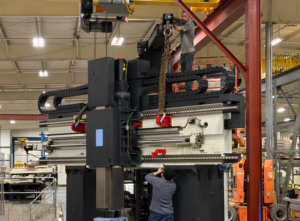
The physical dismantling of industrial equipment requires precision engineering and specialized rigging expertise. Each machine must be methodically disassembled according to manufacturer guidelines and documented thoroughly to ensure accurate reinstallation.
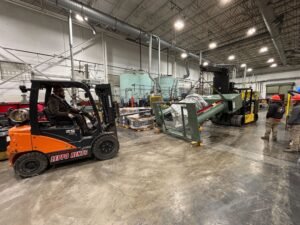
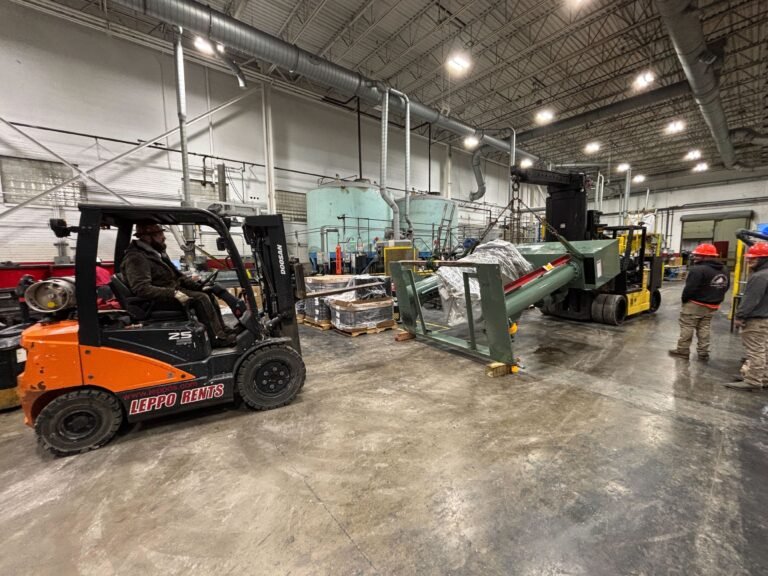
Heavy lifting equipment such as cranes, hydraulic gantries, forklifts, and skidding systems are used to safely remove machinery from foundations and transport it to loading zones.
Labeling systems, photographic documentation, and component tracking ensure no parts are lost during transit.
Safety protocols during dismantling are paramount. Lockout-tagout procedures, electrical isolation, and hazard identification protect workers and equipment.
Professional rigging expertise significantly reduces risk during this critical phase.
Logistics and Transportation
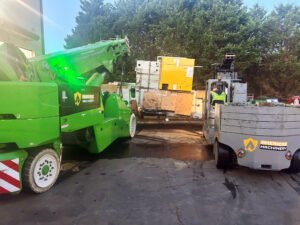
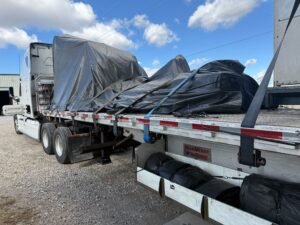
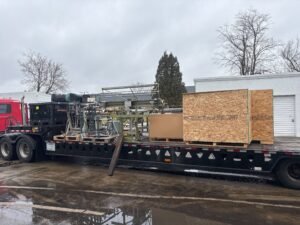
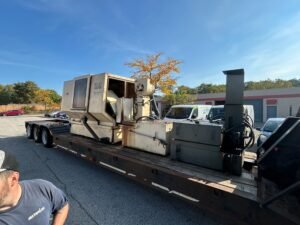
Transporting industrial equipment involves route planning, load securing, and coordination with logistics providers. Oversized loads may require special permits, escort vehicles, or route adjustments.
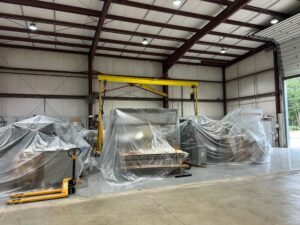
Shock absorption and protective packaging prevent equipment damage during transit. Sensitive components such as control panels and precision spindles require additional safeguarding.
Growing manufacturers relocating long distances must coordinate shipment sequencing carefully. Staggered transportation ensures installation teams receive equipment in the correct order.
Logistics planning must integrate production schedules to minimize downtime.
Installation and Precision Alignment
Reinstallation is more complex than dismantling. Equipment must be positioned accurately according to engineered layouts. Foundation anchoring, vibration isolation, and alignment calibration are essential.
Laser alignment technology ensures precise positioning of rotating machinery. Improper alignment can reduce machine lifespan and compromise product quality.
Utility reconnection must follow documented procedures. Electrical load balancing, air pressure testing, and cooling system calibration must be completed before commissioning.
Testing and validation runs confirm operational readiness before full production resumes.
Minimizing Downtime During Relocation
Downtime is the greatest risk in plant relocation. Growing manufacturers often cannot afford extended production halts.
Phased relocation strategies allow certain production lines to remain operational while others are moved. Temporary outsourcing agreements or buffer inventory planning can reduce disruption.
Weekend and holiday relocation scheduling may accelerate project timelines.
Effective communication with customers ensures transparency and protects business relationships during transitional periods.
Downtime mitigation requires coordination across departments, from operations to sales and supply chain management.
Workforce Management and Communication
Plant relocation affects employees at every level. Transparent communication reduces uncertainty and maintains morale.
Training programs for new equipment or automation upgrades should be conducted before production resumes.
If relocation involves geographic movement, workforce retention planning is essential. Incentives, relocation assistance, or phased transitions can help retain skilled labor.
Employee engagement during relocation fosters collaboration and reduces resistance to change.
Cost Management and Budget Control
Relocation costs extend beyond moving expenses. Structural modifications, equipment upgrades, compliance fees, engineering consultancy, and contingency funds must be accounted for.
Cost overruns often arise from underestimating downtime impact or infrastructure requirements.
Regular financial monitoring and milestone-based budgeting maintain cost discipline.
Growing manufacturers should evaluate ROI by considering long-term efficiency gains, increased production capacity, and operational savings.
Risk Management and Insurance
Insurance coverage during relocation protects against potential equipment damage or liability claims.
Risk assessments identify hazards such as equipment instability, load shifts, or structural weaknesses.
Safety audits and compliance checks reduce accident probability.
Proactive risk planning ensures project continuity and financial protection.
Technology Integration and Digital Transformation
Relocation provides an opportunity to integrate Industry 4.0 technologies. IoT-enabled equipment, predictive maintenance systems, and centralized monitoring dashboards enhance operational efficiency.
Digital asset tracking improves equipment management during relocation.
Automation upgrades increase output and reduce labor dependency.
Technology-driven relocation supports long-term competitiveness.
Sustainability Considerations
Sustainability is increasingly important in manufacturing growth strategies. Energy-efficient infrastructure, waste reduction systems, and optimized logistics contribute to environmental responsibility.
Relocation planning should include carbon footprint analysis and energy usage modeling.
Green certifications enhance brand reputation and regulatory compliance.
Post-Relocation Optimization
Relocation does not end when equipment is installed. Performance monitoring, workflow adjustments, and productivity analysis refine operations.
Continuous improvement initiatives ensure the new facility reaches its full potential.
Feedback loops from operators help identify operational enhancements.
Post-relocation evaluation ensures the strategic goals of expansion are achieved.
Common Challenges in Plant Relocation
Unexpected structural constraints, permit delays, workforce turnover, or supplier disruptions can complicate relocation.
Inadequate documentation of machinery components can lead to installation delays.
Communication gaps between departments often create coordination challenges.
Anticipating these challenges allows proactive mitigation.
The Importance of Choosing the Right Relocation Partner
Professional plant relocation requires expertise in engineering, logistics, safety compliance, and industrial rigging.
Experienced service providers offer turnkey solutions, reducing coordination complexity.
Choosing the right partner significantly impacts project success and risk management.
Alltracon as the Best Service Provider
Alltracon stands out as a premier plant relocation and heavy equipment moving provider, delivering turnkey industrial solutions with engineering precision and safety excellence. With extensive experience in dismantling, rigging, transport, and reinstallation, Alltracon ensures minimal downtime, seamless transitions, and reliable execution for growing manufacturers nationwide.
Conclusion
Plant relocation for growing manufacturers represents both challenge and opportunity. When driven by strategic planning, engineering precision, and operational foresight, relocation becomes a catalyst for expansion and efficiency.
By aligning relocation efforts with long-term growth objectives, investing in professional expertise, and prioritizing risk management, manufacturers can transform spatial limitations into scalable success.
Relocation is not merely movement—it is reinvention.