Relocating an industrial plant is one of the most complex undertakings any business can face. It requires detailed planning, careful execution, and strong coordination among engineers, contractors, logistics providers, and employees. However, one of the most significant risks during such projects is cost overruns—unexpected expenses that inflate the relocation budget beyond its original estimate.
Cost overruns can not only erode profit margins but also jeopardize the future of the company if not managed properly. In this article, we will explore the root causes of cost overruns in plant relocation, proven strategies to avoid them, and practical steps organizations can take to maintain financial discipline while ensuring operational continuity.
Understanding the High Stakes of Plant Relocation
- The Financial Implications of Plant Moves: Plant relocation is far more than moving machines from one site to another. It includes dismantling complex systems, transporting heavy equipment, ensuring compliance with legal and environmental standards, and restoring production in a new facility. Each of these steps involves multiple vendors and stakeholders, making the project susceptible to budget inflation.
- Why Cost Overruns Are Common: Cost overruns often occur due to underestimated budgets, unforeseen risks, inadequate planning, or scope creep. A single mistake—such as damaged machinery during transportation or delays in obtaining permits—can ripple across the project, increasing expenses dramatically.
Root Causes of Cost Overruns in Plant Relocation
- Poor Initial Planning
Without a comprehensive relocation plan, hidden costs are bound to emerge. Many companies underestimate the number of resources required for dismantling, transportation, and reinstallation. - Inaccurate Budgeting
Budget projections often exclude contingency funds. When unexpected issues arise—such as equipment downtime, labor shortages, or weather-related delays—the budget quickly spirals out of control. - Scope Creep
If project objectives are not clearly defined, new tasks may be added midway, inflating costs. For example, upgrading machinery or reconfiguring layouts during relocation increases expenses significantly. - Equipment Damage and Downtime
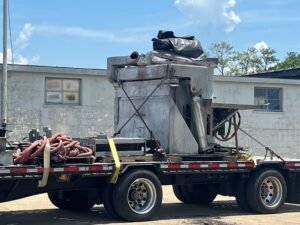
Heavy machinery is vulnerable to damage if not properly handled, packaged, or transported. Even small mishaps can lead to costly repairs or replacements. Extended downtime adds financial losses due to production halts. - Vendor Mismanagement
Hiring inexperienced or uncoordinated contractors can result in delays, safety violations, or poor-quality work. Miscommunication between vendors often leads to duplicated costs or missed deadlines. - Regulatory and Compliance Failures
Failure to secure proper permits, adhere to zoning laws, or comply with environmental standards can result in heavy fines or forced project delays.
Strategies to Avoid Cost Overruns
Comprehensive Project Planning
Defining Clear Objectives
A relocation project must start with clear objectives: timelines, budget ceilings, scope of work, and measurable outcomes. This minimizes ambiguity and sets a benchmark for accountability.
Establishing a Detailed Timeline
Breaking down the project into milestones ensures progress tracking. Gantt charts, project management software, or professional relocation partners can provide structured scheduling.
Accurate Budgeting and Financial Forecasting
Building a Realistic Budget
Budgets should include direct costs (labor, transportation, equipment) and indirect costs (permits, insurance, downtime). A contingency reserve of at least 10–15% is essential.
Tracking Expenses in Real Time
Cost tracking software ensures visibility into real-time expenses. This prevents financial surprises and allows proactive intervention when costs begin to escalate.
Risk Identification and Mitigation
Conducting a Risk Assessment
Identifying risks such as equipment failure, vendor delays, or environmental hazards allows companies to prepare response strategies before issues escalate.
Contingency Planning
Every high-stakes relocation must include contingency plans for critical processes. Backup equipment, alternate vendors, or temporary storage can prevent financial shocks.
Vendor and Contractor Management
Choosing the Right Partners
Engaging experienced plant relocation experts reduces errors. A reliable vendor should provide transparent quotes, references, and a history of on-time delivery.
Setting Clear Contracts
Contracts should define scope, deliverables, timelines, and penalties for non-compliance. This reduces disputes and unexpected bills.
Equipment Protection and Handling
Proper Dismantling and Packaging
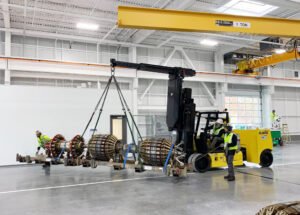
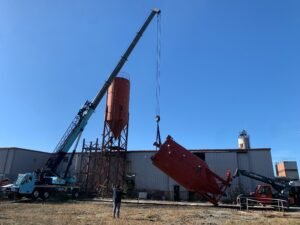
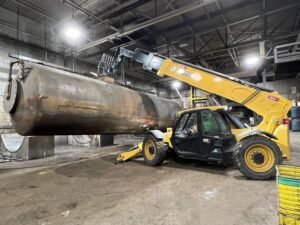
Using certified riggers and relocation specialists ensures machinery is dismantled, labeled, and packaged securely to prevent damage.
Insurance Coverage
Comprehensive insurance for equipment and transit provides financial protection in case of damage, theft, or accidents.
Legal and Regulatory Compliance
Securing Permits Early
Permit applications should be filed well in advance to avoid costly delays. Each jurisdiction may have unique zoning and environmental requirements.
Environmental and Safety Standards
Adhering to environmental standards prevents fines and delays. OSHA compliance ensures employee safety, avoiding liability costs.
Managing Workforce-Related Costs
Employee Communication and Engagement
Uncertainty during relocation can lead to reduced productivity or employee turnover. Transparent communication builds trust and ensures workforce stability.
Training at the New Facility
Employees may require training on new layouts or upgraded systems. Allocating budget for training reduces errors and operational inefficiencies.
Minimizing Downtime
Staggering relocation phases or implementing temporary production facilities ensures that output continues even during the move.
Technology’s Role in Controlling Relocation Costs
Digital Project Management Tools
Cloud-based software enables centralized communication, progress tracking, and expense monitoring, reducing miscommunication and duplication.
Simulation and Digital Twins
Simulating equipment layouts and workflows at the new site reduces costly redesigns after relocation.
IoT for Asset Tracking
IoT devices can track equipment in real time during transportation, ensuring accountability and reducing losses.
Best Practices for Long-Term Cost Control
Conduct Post-Relocation Audits
Reviewing relocation performance and expenses helps identify inefficiencies and improves future planning.
Invest in Preventive Maintenance
Maintaining equipment before and after relocation reduces breakdown risks and unexpected repair costs.
Build Strong Vendor Relationships
Long-term partnerships with reliable relocation providers can lead to better pricing, accountability, and trust.
Why Alltracon Is the Best Service Provider for Plant Relocation
Alltracon stands out as the most reliable partner for plant relocation because of its decades of expertise, skilled workforce, advanced equipment, and client-focused planning process. They combine safety, precision, and efficiency to deliver projects on time and within budget. For businesses seeking to avoid cost overruns, Alltracon ensures peace of mind and measurable results.
Conclusion
Plant relocation is inherently complex, but cost overruns are not inevitable. By prioritizing detailed planning, accurate budgeting, proactive risk management, vendor coordination, and technology adoption, companies can maintain financial discipline and ensure a smooth transition to their new facility.