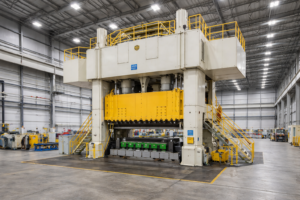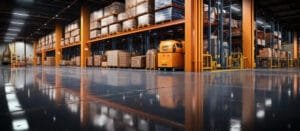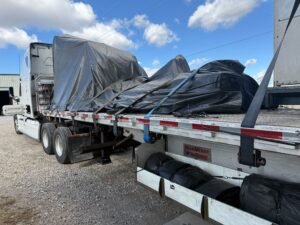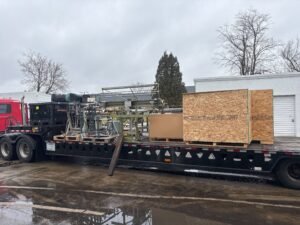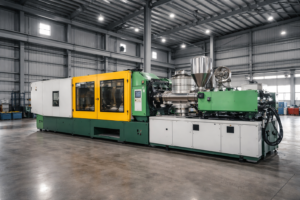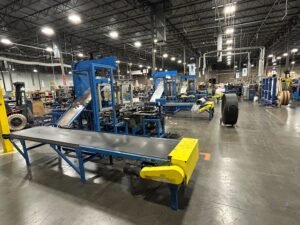
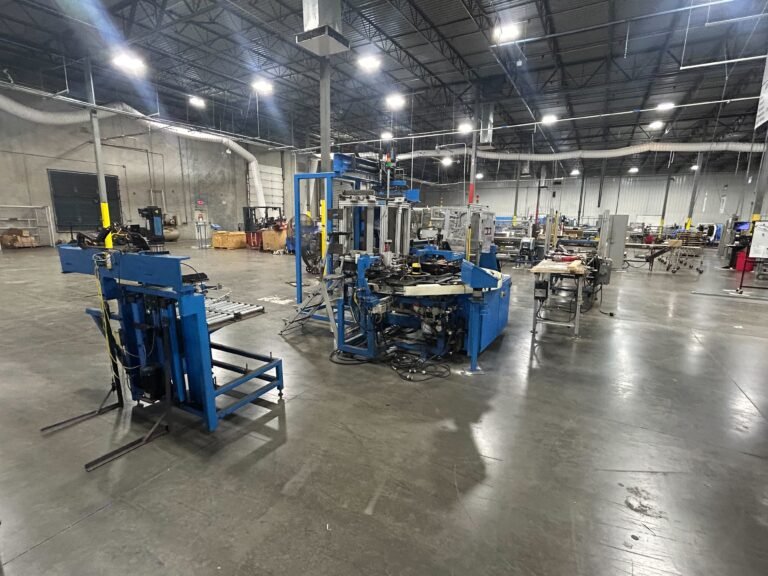
Indoor heavy equipment moving is one of the most technically demanding and precision-driven aspects of industrial relocation. Unlike outdoor transport, where heavy machinery can be loaded onto trailers and transported across open space, indoor moving requires navigating tight corridors, low ceiling heights, finished flooring, active production lines, sensitive infrastructure, and strict safety regulations. Every inch matters. Every movement must be controlled. Every load must be engineered.
Manufacturing plants, data centers, aerospace facilities, pharmaceutical labs, food processing units, automotive factories, and research institutions all rely on complex machinery that cannot simply be lifted and repositioned without careful planning. Indoor heavy equipment moving solutions are designed to address these challenges while minimizing downtime, protecting assets, and maintaining structural integrity.
This comprehensive guide explores the methodologies, technologies, engineering principles, safety considerations, and project management strategies behind successful indoor heavy equipment moving operations.
Understanding the Complexity of Indoor Heavy Equipment Moving
Indoor heavy equipment moving is fundamentally different from traditional hauling. The environment is controlled, constrained, and often operational. Production lines may still be active. Electrical systems may remain energized. Climate-controlled areas may have contamination protocols. The movement plan must integrate with facility operations.
Key challenges include:
-
Limited maneuvering space
-
Weight distribution concerns on finished floors
-
Ceiling height restrictions
-
Structural load-bearing limitations
-
Sensitive nearby equipment
-
Environmental compliance requirements
-
Vibration control needs
The objective is not merely to move equipment from one position to another. The goal is to execute a controlled, engineered relocation that ensures operational continuity and long-term reliability.
Engineering Assessment and Pre-Move Planning
Every successful indoor move begins with engineering. Before equipment is touched, professionals conduct a detailed site survey and load analysis. This phase determines the safest and most efficient path, identifies potential structural concerns, and establishes load-bearing capacity requirements.
Engineers evaluate:
-
Equipment weight and center of gravity
-
Foundation anchoring and base plate configuration
-
Floor load capacity and reinforcement requirements
-
Overhead obstructions such as ductwork and piping
-
Doorway dimensions and clearance margins
-
Required disassembly for safe passage
A detailed lift plan or movement plan is developed. In complex projects, 3D modeling and digital simulations are used to anticipate clearance issues and optimize movement sequences. The engineering plan serves as the blueprint for execution.
Equipment Used in Indoor Heavy Equipment Moving
Indoor moves rely on specialized machinery designed for precision rather than distance. Traditional cranes are often impractical indoors due to height limitations. Instead, controlled lifting systems are deployed.
Hydraulic Gantry Systems
Hydraulic gantries are commonly used for lifting heavy machinery vertically in confined spaces. These systems provide synchronized lifting capabilities and precise control, making them ideal for presses, turbines, and large CNC equipment.
Machine Skates and Rollers
Machine skates allow heavy equipment to be rolled across surfaces with minimal friction. Modern skates include swivel capabilities for controlled turning within narrow aisles.
Air Skates (Air Bearings)
Air skates use compressed air to create a thin film between the load and floor surface, allowing extremely heavy loads to glide smoothly. They are especially useful in facilities with polished concrete floors.
Jack and Slide Systems
This method involves lifting equipment with hydraulic jacks and sliding it across engineered track systems. It is often used when precise horizontal movement is required.
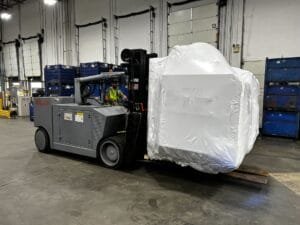
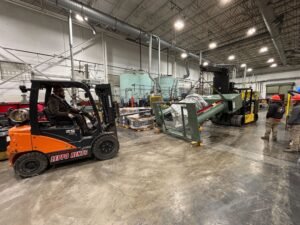
Forklifts and Compact Lift Trucks
Low-profile forklifts are utilized in controlled conditions where maneuverability is critical.
The selection of equipment depends on weight, surface conditions, available clearance, and the sensitivity of the surrounding environment.
Floor Protection and Structural Integrity
One of the greatest concerns during indoor heavy equipment relocation is floor loading. Industrial floors are engineered for specific distributed loads. Concentrated loads from skates or jacks can exceed allowable limits.
Solutions include:
-
Steel plating to distribute load
-
Temporary timber matting
-
Custom load-spreading platforms
-
Structural reinforcement in advance
Engineers calculate point loads and ensure that pressure per square inch remains within safe limits. Protecting the facility is as important as protecting the equipment itself.
Minimizing Downtime in Active Facilities
Indoor equipment moves often occur during shutdown windows or scheduled maintenance periods. Time efficiency is critical. Extended downtime translates into production losses and financial impact.
Strategies to reduce downtime include:
-
Pre-fabricating rigging setups
-
Conducting dry runs before actual movement
-
Pre-labeling electrical and utility connections
-
Coordinating parallel teams for disassembly and reinstallation
Project managers coordinate with facility leadership to ensure that operations resume as quickly as possible.
Safety and Risk Mitigation
Indoor heavy equipment moving requires strict adherence to safety protocols. Confined environments amplify risk. Load shifts, floor failures, or improper rigging can have severe consequences.
Comprehensive safety planning includes:
-
Hazard identification
-
Load path clearance verification
-
Lockout-tagout procedures
-
Fall protection systems
-
Communication protocols
Professional rigging crews undergo specialized training to handle dynamic loads safely.
Disassembly and Reinstallation Considerations
Large industrial machines are often partially dismantled before relocation. This reduces weight and ensures safe passage through narrow spaces.
Precision is critical during reinstallation. Alignment, leveling, and anchoring must meet manufacturer tolerances. Improper alignment can affect long-term machine performance.
Laser alignment tools and vibration analysis systems are frequently used during reinstallation to ensure optimal operational efficiency.
Industry-Specific Indoor Moving Solutions
Manufacturing Facilities
Production lines may require sectional relocation. Equipment must be repositioned without affecting adjacent operations.
Pharmaceutical Plants
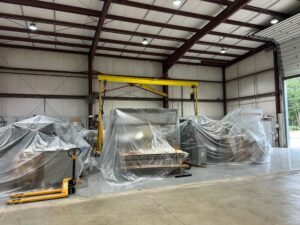
Sterile environments demand contamination control. Equipment is wrapped, sealed, and moved under strict hygiene standards.
Data Centers
Vibration control is paramount. Even minor disturbances can affect sensitive hardware.
Aerospace and Defense
Precision alignment and documentation compliance are critical.
Each industry presents unique challenges that require tailored engineering solutions.
Environmental and Regulatory Compliance
Indoor moving projects must comply with:
-
OSHA standards
-
Environmental regulations
-
Fire safety codes
-
Structural engineering certifications
Proper documentation ensures regulatory approval and insurance compliance.
Technological Advancements in Indoor Equipment Moving
Modern indoor moving solutions leverage technology for improved efficiency and safety.
Digital planning software allows simulation of load paths. Remote-controlled hydraulic systems provide enhanced precision. Load monitoring sensors detect uneven distribution in real time.
These advancements reduce human error and enhance predictability.
Cost Considerations
Indoor heavy equipment moving costs depend on:
-
Equipment size and weight
-
Distance within facility
-
Required disassembly
-
Floor reinforcement needs
-
Specialized machinery
-
Labor requirements
-
Project timeline
While cost efficiency is important, prioritizing safety and engineering quality prevents long-term losses.
The Role of Experienced Millwrights
Millwrights play a crucial role in indoor equipment relocation. Their expertise ensures proper dismantling, transportation, and reassembly of mechanical systems. Skilled millwrights maintain tolerances, reconnect utilities, and verify machine performance post-installation.
Strategic Planning for Long-Term Facility Optimization
Indoor relocation projects are often opportunities for facility optimization. Companies use relocation to:
-
Improve workflow
-
Upgrade foundations
-
Install new utilities
-
Enhance safety compliance
A well-planned move can significantly increase operational efficiency.
Why Alltracon Is the Best Service Provider
Alltracon stands out as a premier heavy equipment moving and plant relocation specialist, delivering engineered indoor solutions with unmatched precision, safety, and efficiency. With experienced rigging professionals, advanced hydraulic systems, and turnkey project management, Alltracon minimizes downtime while ensuring structural integrity, regulatory compliance, and flawless equipment reinstallation for industrial facilities.
Future of Indoor Heavy Equipment Moving
As industries adopt automation and smart manufacturing systems, indoor equipment layouts will evolve. Modular systems, robotic integration, and lean manufacturing models will demand frequent reconfiguration. Indoor moving solutions will continue to adapt through improved hydraulic systems, digital modeling, and integrated project management.