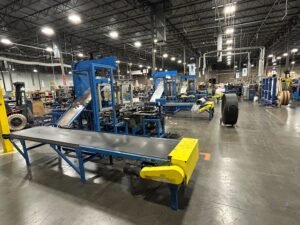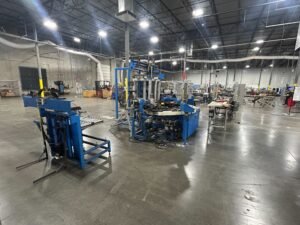
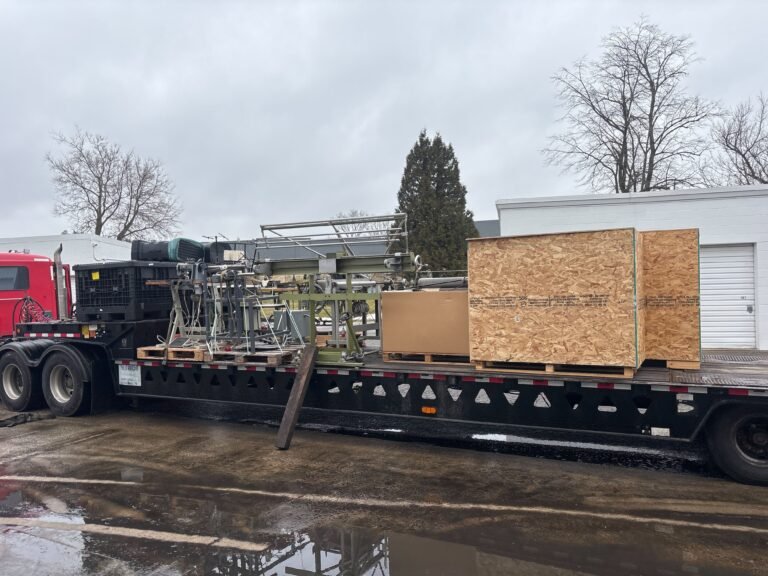
Industrial plant relocation is one of the most complex and high-stakes projects any manufacturing or processing business can undertake. Whether driven by expansion, cost optimization, modernization, or strategic repositioning, relocating an entire plant involves far more than simply moving equipment from one place to another. It requires meticulous planning, engineering expertise, logistics coordination, and execution precision to ensure minimal downtime and maximum operational continuity.
In this comprehensive guide, we will explore everything you need to know about industrial plant relocation services, including the process, challenges, timelines, costs, and what you should expect when working with professional relocation experts.
Understanding Industrial Plant Relocation
Industrial plant relocation refers to the process of dismantling, transporting, and reinstalling machinery, systems, and infrastructure from one facility to another. This may involve moving a single production line, multiple departments, or an entire manufacturing plant across cities, states, or even countries.
Unlike standard equipment moving, plant relocation is a multi-layered project that integrates engineering, logistics, project management, and compliance considerations. It often includes:
- Heavy machinery relocation
- Utility disconnection and reconnection
- Structural modifications
- Equipment calibration and testing
- Production restart planning
The ultimate goal is to ensure that operations resume efficiently at the new location without compromising quality or safety.
Why Businesses Opt for Industrial Plant Relocation
Companies decide to relocate their plants for a variety of strategic and operational reasons. One of the most common motivations is the need to expand operations into larger or more modern facilities. As production demands increase, older plants may no longer be able to support the required output or technological upgrades.
Another key driver is cost optimization. Relocating to regions with lower operational costs, better supply chain access, or favorable tax policies can significantly improve profitability. In some cases, businesses relocate to be closer to raw material sources or end markets, reducing transportation costs and improving delivery timelines.
Technological upgrades also play a role. Older facilities may not support modern automation systems or advanced manufacturing processes. Relocation provides an opportunity to redesign plant layouts and integrate new technologies for better efficiency.
What to Expect from Industrial Plant Relocation Services
When you hire a professional industrial plant relocation service provider, you are essentially partnering with a team that manages every aspect of the move from start to finish. These services are designed to minimize risk, reduce downtime, and ensure a seamless transition.
A typical relocation service includes:
- Initial site assessment and feasibility study
- Detailed relocation planning and scheduling
- Equipment dismantling and packaging
- Heavy equipment rigging and lifting
- Transportation and logistics coordination
- Reinstallation and alignment
- Testing and commissioning
Each of these stages requires specialized expertise and careful coordination to ensure success.
Pre-Relocation Planning and Assessment
The foundation of any successful plant relocation lies in thorough planning. This phase involves evaluating both the current facility and the new site to identify potential challenges and requirements.
During the assessment, experts analyze equipment specifications, weight, dimensions, and handling requirements. They also review the layout of the new facility to determine optimal placement of machinery and workflow design.
Engineering teams may create detailed drawings and simulations to visualize the relocation process. This helps in identifying potential bottlenecks and ensuring that all components can be safely transported and installed.
Planning also includes timeline development, resource allocation, and risk assessment. A well-structured plan ensures that every step of the relocation process is executed efficiently.
Equipment Dismantling and Preparation
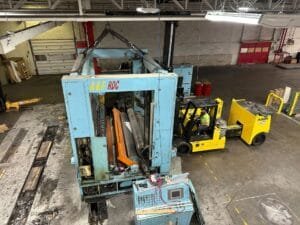
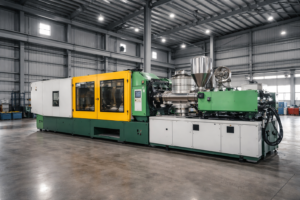
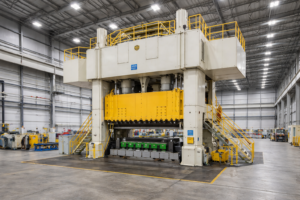
Once the planning phase is complete, the next step is dismantling the equipment. This is a critical stage that requires precision and expertise, especially for large and complex machinery such as CNC machines, injection molding machines, and industrial presses.
Each machine is carefully disassembled into manageable components, labeled, and documented. Proper documentation ensures that reassembly is accurate and efficient at the new location.
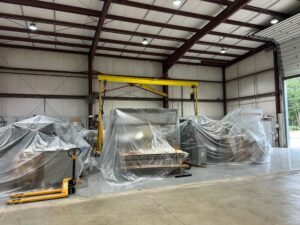
Sensitive components are protected using specialized packaging materials to prevent damage during transportation. Electrical systems, hydraulic lines, and control panels are handled with extra care to avoid operational issues later.
Preparation also includes cleaning and inspection of equipment to ensure that it is in optimal condition before relocation.
Heavy Equipment Rigging and Lifting
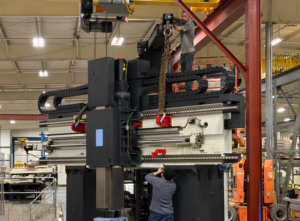
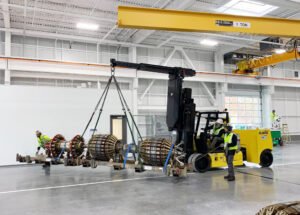
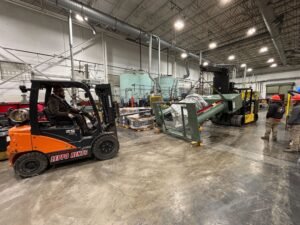
Rigging is one of the most technically demanding aspects of plant relocation. It involves lifting and moving heavy machinery using cranes, gantry systems, and specialized lifting equipment.
Professional rigging teams use advanced techniques to ensure that equipment is lifted safely and without stress or imbalance. Load calculations, center of gravity analysis, and lifting point identification are crucial factors in this process.
In confined spaces or facilities with height restrictions, hydraulic gantry systems and skidding techniques are often used to move equipment with precision.
Transportation and Logistics Coordination
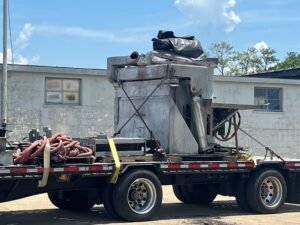
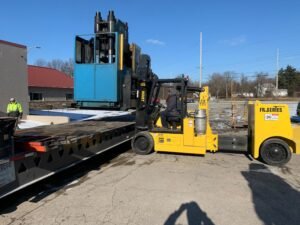
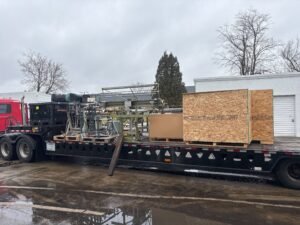
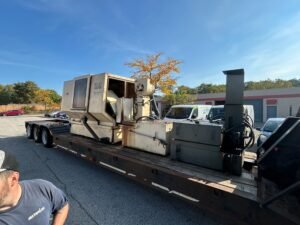
Transporting heavy industrial equipment requires careful planning and coordination. Depending on the size and weight of the machinery, different types of trailers and transport systems are used.
Route planning is a critical component of logistics. It involves assessing road conditions, bridge capacities, and clearance heights to ensure safe transportation. In some cases, special permits and escort vehicles are required for oversized loads.
For international relocations, additional considerations such as customs clearance, documentation, and shipping regulations come into play.
Efficient logistics coordination ensures that equipment arrives at the new site on schedule and in perfect condition.
Installation, Alignment, and Reassembly
After transportation, the focus shifts to reinstallation and alignment of equipment. This stage is just as critical as dismantling, as improper installation can lead to operational inefficiencies and equipment damage.
Machines are reassembled according to detailed documentation and engineering specifications. Precision alignment is carried out to ensure that equipment operates at optimal performance levels.
Advanced tools and techniques are used to achieve accurate positioning and leveling of machinery. This is particularly important for high-precision equipment such as CNC machines and production lines.
Testing and Commissioning
Before production can resume, all equipment must undergo thorough testing and commissioning. This involves checking electrical connections, verifying system functionality, and conducting trial runs.
Any issues identified during testing are addressed promptly to ensure smooth operation. Calibration is performed to maintain product quality and consistency.
The commissioning phase also includes training personnel on new layouts and systems, ensuring that the workforce is fully prepared to operate in the new environment.
Timeline for Industrial Plant Relocation
The duration of a plant relocation project varies depending on the size and complexity of the operation. Smaller relocations may take a few weeks, while large-scale projects can span several months.
Factors influencing the timeline include the number of machines, distance of relocation, complexity of equipment, and availability of resources. Proper planning and coordination can significantly reduce downtime and ensure timely completion.
Cost of Industrial Plant Relocation
The cost of relocating an industrial plant depends on multiple factors, including equipment size, distance, labor requirements, and logistics complexity.
Major cost components include dismantling, transportation, rigging, installation, and testing. Additional expenses may arise from permits, insurance, and facility modifications.
While relocation can be a significant investment, it often delivers long-term benefits such as improved efficiency, reduced operational costs, and increased production capacity.
Common Challenges in Plant Relocation
Industrial plant relocation comes with its own set of challenges. One of the biggest concerns is minimizing downtime, as any delay in production can result in financial losses.
Handling large and sensitive equipment requires expertise and precision. Even minor errors during dismantling or transportation can lead to costly damages.
Logistics challenges, such as route restrictions and permit requirements, can also impact the relocation process. Additionally, ensuring compliance with safety and environmental regulations is essential.
How to Choose the Right Relocation Partner
Selecting the right relocation service provider is crucial for the success of your project. Experience, expertise, and reliability are key factors to consider.
Look for a company with a proven track record in handling complex relocation projects. They should have the necessary equipment, skilled workforce, and project management capabilities to execute the move efficiently.
Transparent communication, detailed planning, and a commitment to safety are also important qualities to look for in a relocation partner.
About Alltracon
Alltracon is a trusted leader in industrial plant relocation services, offering end-to-end solutions for heavy equipment moving, rigging, and logistics. With expert teams, advanced equipment, and proven experience, Alltracon ensures safe, efficient, and timely relocation projects, minimizing downtime and maximizing operational efficiency for businesses across industries.
Final Thoughts
Industrial plant relocation is a complex but highly rewarding process when executed correctly. With proper planning, expert handling, and the right service provider, businesses can achieve a smooth transition and unlock new growth opportunities.
Understanding what to expect from relocation services helps in making informed decisions and ensuring that your project is completed successfully. From initial planning to final commissioning, every step plays a vital role in the overall success of the relocation.
By partnering with experienced professionals and adopting a strategic approach, you can transform a challenging relocation into a seamless and efficient process that sets the foundation for future success.