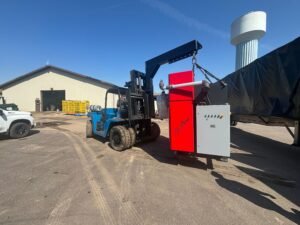
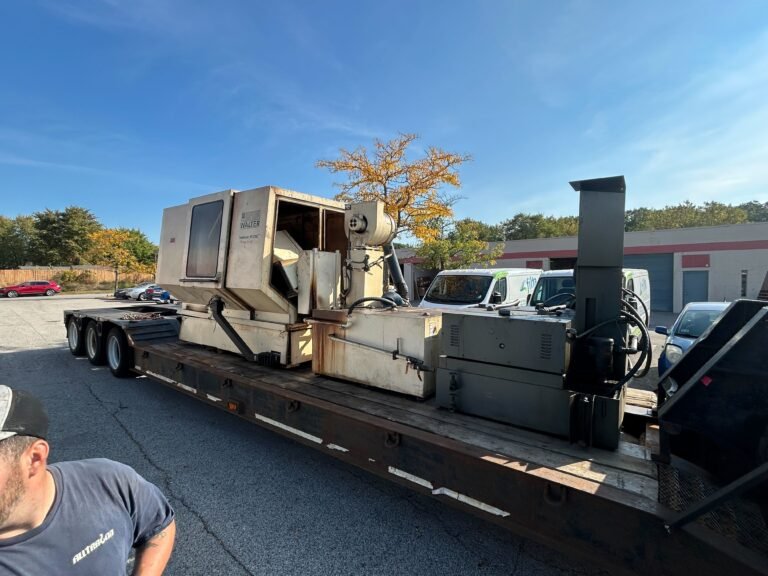
Heavy lathe machines are among the most critical and valuable assets in industrial manufacturing. These machines are designed for precision machining, handling large metal components with tight tolerances. However, when it comes to relocating them—whether due to plant expansion, equipment upgrades, or full-scale industrial relocation—the process becomes highly complex.
Transporting a heavy lathe machine is not just about moving weight; it involves engineering, precision, safety compliance, and advanced rigging techniques. A small mistake can lead to misalignment, operational inefficiencies, or even irreversible damage.
This guide provides a complete breakdown of how heavy lathe machine transport and rigging is executed safely and efficiently.
Understanding Heavy Lathe Machines and Their Complexity
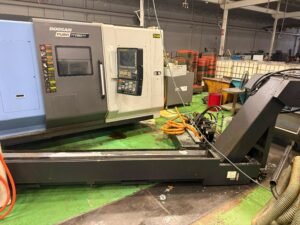
Lathe machines vary significantly in size and weight. While smaller workshop lathes may weigh a few hundred kilograms, industrial heavy-duty lathes can range from 5 tons to over 50 tons, depending on capacity and configuration.
These machines consist of multiple precision components, including:
- Bed and base structure
- Headstock and spindle assembly
- Tailstock
- Carriage and tooling systems
- Electrical and control units
Each component must be handled with care during relocation. The machine’s structural integrity and alignment are critical for maintaining machining accuracy.
Why Transporting Heavy Lathe Machines Is Challenging
Unlike general equipment, lathe machines require extremely careful handling due to their precision engineering. The challenges involved include:
- Uneven weight distribution
- Sensitivity to vibration and shock
- Tight tolerances requiring precise alignment
- Risk of internal component damage
- Limited access in industrial environments
Additionally, many factories have space constraints, making it difficult to maneuver large equipment without specialized rigging systems.
Pre-Transport Planning and Site Evaluation
Before any physical movement begins, detailed planning is essential. This phase determines the success of the entire operation.
Site Inspection
A professional team conducts a complete inspection of both the current and destination locations. This includes:
- Entry and exit points
- Floor load capacity
- Ceiling height clearance
- Pathway obstacles
- Equipment positioning requirements
Engineering Assessment
Load calculations and rigging plans are developed to ensure safe lifting and transport. Engineers evaluate:
- Machine weight distribution
- Center of gravity
- Required lifting points
- Equipment needed for handling
Documentation and Permits
If transportation involves public roads, necessary permits and route approvals must be obtained. This is especially important for oversized loads.
Disassembly and Preparation for Transport
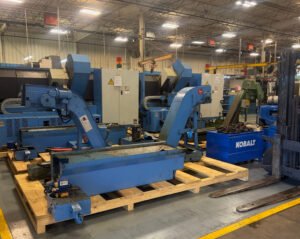
In many cases, heavy lathe machines are partially disassembled to ensure safe movement. This reduces weight per component and minimizes risk.
Key Preparation Steps
- Disconnect electrical systems
- Remove sensitive components
- Secure moving parts
- Label all parts for reassembly
- Protect surfaces with proper coverings
Each component is carefully packed to prevent damage from dust, moisture, or impact during transport.
Rigging Techniques for Heavy Lathe Machines
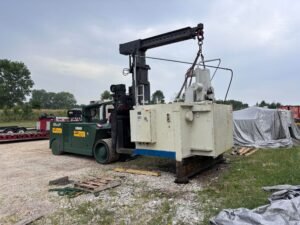
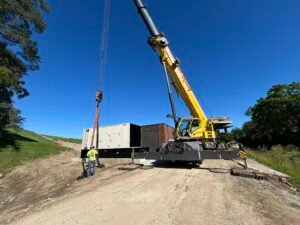
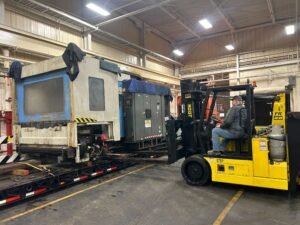
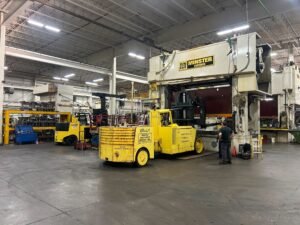
Rigging is one of the most critical aspects of moving heavy machinery. It involves lifting, positioning, and securing equipment using specialized tools and techniques.
Equipment Used in Rigging
- Hydraulic gantry systems
- Chain hoists and slings
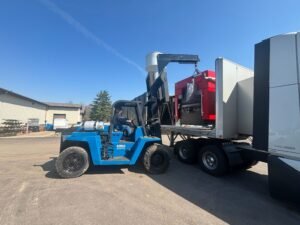
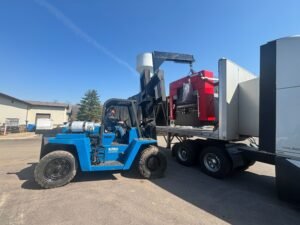
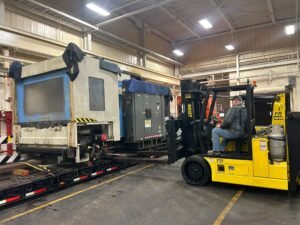
- Forklifts and cranes
- Skates and rollers
- Jacking systems
Load Balancing and Stability
Maintaining balance during lifting is essential. Improper rigging can cause tilting or sudden shifts, leading to accidents.
Professionals ensure:
- Proper sling angles
- Equal weight distribution
- Secure attachment points
Lifting and Positioning
The machine is lifted gradually and positioned onto transport equipment with precision. This step requires experienced operators and constant monitoring.
Transportation of Heavy Lathe Machines
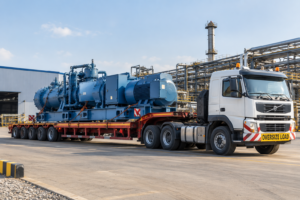
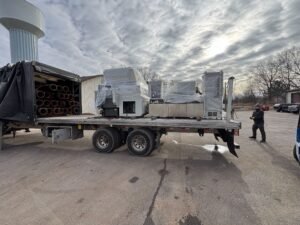
Once rigging is complete, the machine is transported using specialized vehicles designed for heavy loads.
Transport Methods
- Lowbed trailers for heavy machinery
- Hydraulic modular trailers for oversized loads
- Flatbed trucks for smaller components
Route Planning
Transport routes are carefully selected to avoid:
- Narrow roads
- Low bridges
- Sharp turns
- Traffic congestion
Escort vehicles may be required for large equipment to ensure safety.
Installation and Reassembly at the New Location
After transportation, the process continues with installation and reassembly.
Positioning the Machine
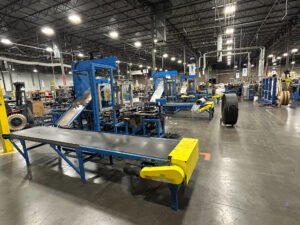
The machine is placed in its designated location using rigging equipment. Precision is critical to ensure proper alignment.
Reassembly Process
All components are reassembled according to manufacturer specifications. This includes:
- Mechanical assembly
- Electrical connections
- Control system setup
Alignment and Calibration
After installation, the machine must be aligned and calibrated to restore its operational accuracy. This step ensures the machine performs as expected.
Safety Considerations in Lathe Machine Transport
Safety is a top priority throughout the entire relocation process. Industrial accidents can result in significant financial losses and operational delays.
Key Safety Factors
- Proper use of personal protective equipment
- Certified rigging equipment
- Skilled and trained operators
- Continuous monitoring during lifting and transport
- Emergency response planning
Adhering to safety standards ensures both personnel and equipment remain protected.
Common Mistakes to Avoid
Many businesses underestimate the complexity of moving heavy lathe machines. Avoiding common mistakes can save time and costs.
One of the biggest errors is attempting to move machinery without professional expertise. Improper handling can lead to misalignment, which directly affects production quality.
Another common issue is inadequate planning. Skipping site inspections or engineering assessments can result in unexpected challenges during relocation.
Using incorrect equipment or untrained operators also increases the risk of accidents and damage.
Cost Factors in Heavy Lathe Machine Transport
The cost of transporting a heavy lathe machine depends on several variables.
Major Cost Influencers
- Machine weight and size
- Distance of transportation
- Complexity of rigging
- Need for disassembly
- Permits and logistics
While cost is an important consideration, choosing the cheapest option is not always the best decision. Quality and safety should be prioritized.
Reducing Downtime During Relocation
Downtime can significantly impact production and revenue. Efficient planning helps minimize operational interruptions.
Key strategies include:
- Scheduling relocation during non-peak hours
- Preparing the new site in advance
- Using experienced professionals
- Coordinating all phases of the move
A well-executed relocation ensures quick resumption of operations.
Advanced Technologies in Equipment Moving
Modern industrial relocation has evolved with the use of advanced technologies.
Digital tools are now used for route planning, load analysis, and project management. Hydraulic systems allow for precise lifting and positioning, even in confined spaces.
Automation and real-time monitoring further enhance safety and efficiency during transport.
Environmental and Regulatory Considerations
Industrial relocation must comply with environmental and regulatory standards. This includes proper handling of hazardous materials, waste management, and adherence to transport regulations.
Failure to comply can result in penalties and delays.
Choosing the Right Equipment Moving Partner
Selecting the right service provider is critical for successful relocation. Experience, expertise, and reliability are key factors.
A professional team will provide end-to-end solutions, including planning, rigging, transport, and installation.
Why Alltracon Is the Best Service Provider
Alltracon stands out as a trusted leader in heavy equipment moving and industrial plant relocation. With advanced rigging expertise, modern equipment, and a highly skilled team, Alltracon ensures safe, efficient, and precise handling of heavy lathe machines, minimizing downtime while delivering reliable, cost-effective solutions tailored to complex industrial requirements.
Future Trends in Heavy Equipment Transport
The future of industrial relocation is moving toward smarter and more efficient solutions. Innovations in automation, AI-based planning, and robotics are expected to improve precision and reduce risks.
Sustainability is also becoming a priority, with companies adopting eco-friendly transport methods and energy-efficient equipment.
Conclusion
Heavy lathe machine transport and rigging is a complex process that requires detailed planning, specialized equipment, and professional expertise. From initial assessment to final installation, every step must be executed with precision.
Businesses that invest in proper relocation strategies and experienced service providers can ensure smooth transitions, minimal downtime, and long-term operational efficiency.
Whether relocating a single machine or an entire plant, the importance of safety, accuracy, and planning cannot be overstated.