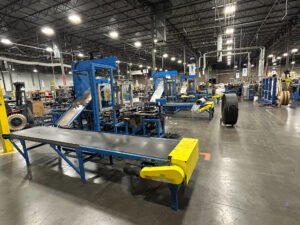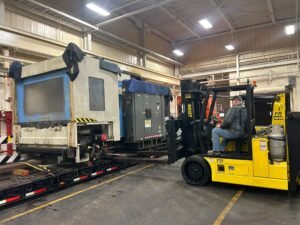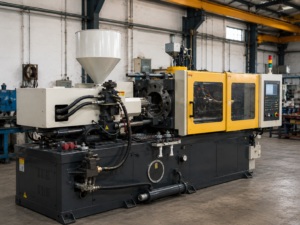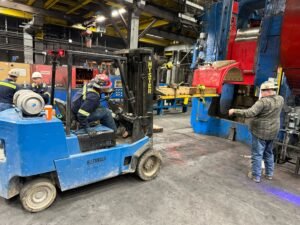
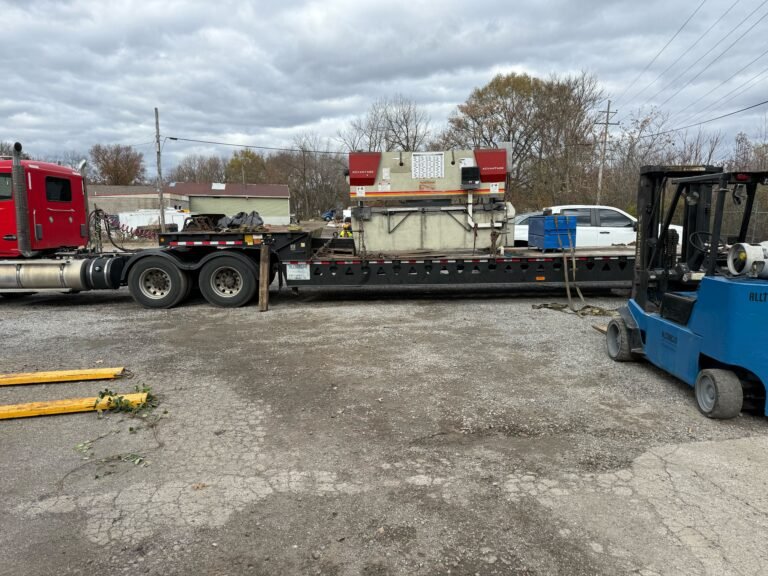
Industrial relocation is one of the most complex and capital-intensive operations a business can undertake. Whether you are moving a small manufacturing unit or an entire production plant, understanding the cost structure is critical for planning, budgeting, and minimizing financial risks.
This comprehensive guide explains every aspect of industrial relocation cost estimation, helping business owners, plant managers, and decision-makers plan effectively while avoiding hidden expenses.
Understanding Industrial Relocation
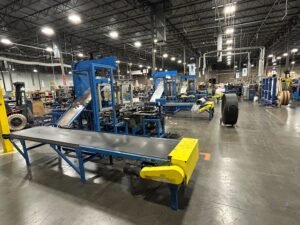
Industrial relocation involves dismantling, transporting, and reinstalling machinery, equipment, and infrastructure from one location to another. Unlike regular moving services, this process requires engineering expertise, specialized equipment, logistics coordination, and strict compliance with safety standards.
The cost of industrial relocation is influenced by multiple factors including machinery size, complexity, distance, labor, and downtime. Without proper estimation, costs can quickly escalate and disrupt business operations.
Why Accurate Cost Estimation Matters
Accurate cost estimation is not just about budgeting—it directly impacts operational continuity and profitability. A poorly planned relocation can lead to extended downtime, equipment damage, compliance issues, and unexpected financial burdens.
When businesses invest time in detailed cost analysis, they gain better control over project execution, reduce risks, and improve overall efficiency. This is especially important in industries such as manufacturing, automotive, pharmaceuticals, and heavy engineering, where downtime can result in significant revenue loss.
Key Factors That Influence Industrial Relocation Costs
Industrial relocation costs are never fixed. They vary depending on several technical, logistical, and operational variables.
1. Size and Weight of Equipment:
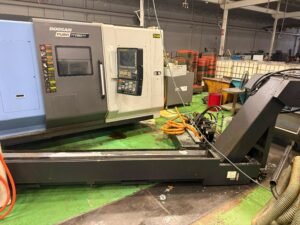
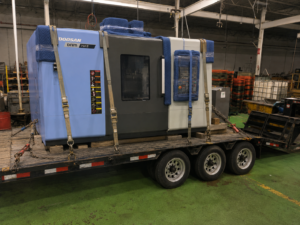
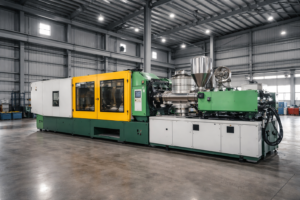
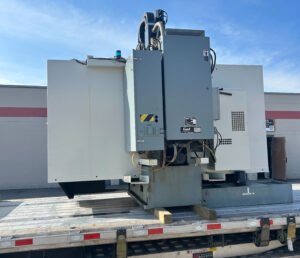
Large and heavy machines such as CNC machines, injection molding machines, stamping presses, and industrial furnaces significantly increase relocation costs. Heavier equipment requires specialized rigging, cranes, and transport systems.
2. Distance of Relocation
The distance between the current and new facility plays a major role. Local moves are relatively affordable, while interstate or international relocations involve higher transportation, permits, and logistics costs.
3. Complexity of Machinery
Machines with intricate components require careful dismantling and reassembly. Precision equipment also needs alignment and calibration after installation, adding to the total cost.
4. Labor Requirements
Skilled labor such as riggers, engineers, electricians, and technicians is essential for safe relocation. Labor costs increase based on project complexity and duration.
5. Downtime and Production Loss
One of the most overlooked costs is production downtime. The longer the relocation takes, the greater the revenue loss for the business.
Major Cost Components in Industrial Relocation
To estimate relocation costs accurately, it is essential to understand the major cost components involved in the process.
1. Pre-Relocation Planning
This includes site inspection, engineering assessments, and project planning. Costs may include consultancy fees and feasibility studies.
2. Dismantling and Packaging
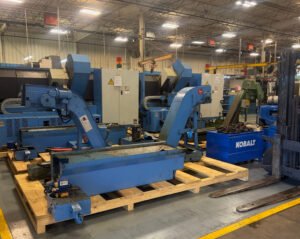
Machinery must be carefully dismantled and packed to prevent damage. This process involves skilled labor and specialized tools.
3. Transportation
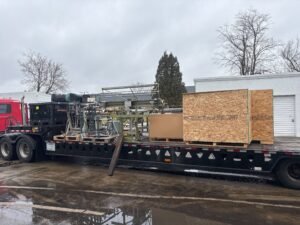
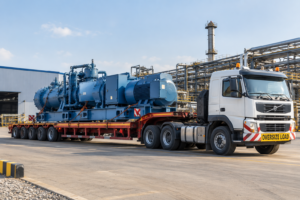
Transport costs depend on distance, equipment size, and type of transport used. Oversized loads require permits and escorts, increasing expenses.
4. Rigging and Lifting
Heavy equipment requires cranes, gantry systems, or hydraulic lifting systems. This is often one of the most expensive parts of relocation.
5. Reinstallation and Commissioning
After transportation, machines must be reinstalled, aligned, and tested to ensure proper functioning.
6. Insurance
Insurance coverage is essential to protect against damage, loss, or delays during relocation.
Cost Estimation Methods
There are different approaches to estimating industrial relocation costs. Each method depends on the level of detail required and the complexity of the project.
1. Per Equipment Cost Estimation
This method involves estimating costs for each machine individually based on weight, size, and complexity.
2. Per Ton Cost Estimation
Costs are calculated based on the total weight of equipment being moved. This method is commonly used for large-scale projects.
3. Project-Based Estimation
A comprehensive approach where all aspects of relocation are evaluated, including labor, logistics, downtime, and risks.
Hidden Costs You Must Consider
Many businesses underestimate relocation costs because they overlook hidden expenses. These costs can significantly impact the overall budget.
Unexpected delays due to weather or permits can increase labor and equipment costs. Equipment damage during transport may require repairs or replacement. Site preparation at the new location can also add to expenses, especially if infrastructure upgrades are needed.
Another hidden cost is training staff to operate machinery in the new facility, particularly if layout changes affect workflow.
Industrial Relocation Cost Breakdown Example
To understand cost estimation better, consider a mid-sized manufacturing plant relocation.
The total cost may include engineering assessment, dismantling, transportation, rigging, installation, and testing. Each component contributes to the overall budget, and even minor variations can significantly affect total costs.
For example, moving a heavy CNC machine may cost substantially more than relocating smaller equipment due to precision requirements and specialized handling.
How to Reduce Industrial Relocation Costs
Reducing relocation costs requires strategic planning and efficient execution.
Proper scheduling can minimize downtime and avoid peak transport costs. Combining multiple equipment moves into a single transport can reduce logistics expenses. Working with experienced relocation providers ensures better coordination and fewer errors.
Additionally, early planning allows businesses to identify potential challenges and avoid costly last-minute changes.
Role of Technology in Cost Estimation
Modern technology has transformed industrial relocation planning. Advanced tools such as 3D modeling, simulation software, and digital tracking systems help businesses estimate costs more accurately.
These tools allow project managers to visualize equipment movement, identify risks, and optimize logistics. As a result, companies can reduce uncertainties and improve cost efficiency.
Importance of Professional Relocation Services
Hiring professional industrial relocation experts is crucial for accurate cost estimation and smooth execution. Experienced service providers have the expertise, equipment, and resources needed to handle complex projects efficiently.
They can assess project requirements, provide detailed cost estimates, and ensure compliance with safety and regulatory standards. This not only reduces risks but also improves overall project outcomes.
Industrial Relocation Timeline and Its Cost Impact
The duration of a relocation project directly affects costs. Longer timelines increase labor, equipment rental, and downtime expenses.
Efficient project management can significantly reduce timelines and associated costs. Proper coordination between teams, clear communication, and effective scheduling are essential for timely execution.
Industry-Specific Cost Considerations
Different industries have unique relocation requirements, which affect cost estimation.
Manufacturing plants often involve heavy machinery and complex production lines. Pharmaceutical facilities require strict compliance with hygiene and safety standards. Automotive plants may involve large stamping presses and assembly lines.
Understanding these industry-specific requirements helps in creating accurate and realistic cost estimates.
Risk Management in Industrial Relocation
Risk management is a critical aspect of cost estimation. Identifying potential risks early allows businesses to allocate contingency budgets and avoid unexpected expenses.
Risks may include equipment damage, delays, regulatory issues, and labor shortages. Proper planning and risk assessment can minimize these challenges and ensure smooth project execution.
Post-Relocation Costs
Costs do not end after the relocation process is completed. Post-relocation expenses include equipment testing, calibration, maintenance, and staff training.
Ensuring that all systems are functioning properly is essential for resuming operations and maintaining productivity.
Choosing the Right Relocation Partner
Selecting the right relocation partner is one of the most important decisions in the entire process. A reliable service provider can make a significant difference in cost estimation and project execution.
Businesses should evaluate providers based on experience, expertise, equipment capabilities, and client reviews. Transparent pricing and detailed proposals are also important factors to consider.
Alltracon stands out as a leading industrial relocation service provider, offering expert rigging, heavy equipment moving, and complete plant relocation solutions. With advanced technology, skilled professionals, and a proven track record, Alltracon ensures safe, efficient, and cost-effective relocation, minimizing downtime and delivering exceptional results for complex industrial projects.
Future Trends in Industrial Relocation Costs
The future of industrial relocation is shaped by technological advancements and changing industry demands. Automation, robotics, and digital tools are improving efficiency and reducing costs.
Sustainability is also becoming a key factor, with businesses focusing on eco-friendly relocation practices. These trends are expected to influence cost structures and create new opportunities for optimization.
Conclusion
Industrial relocation is a complex process that requires careful planning, accurate cost estimation, and professional execution. Understanding the various cost components and factors involved helps businesses make informed decisions and avoid unexpected expenses.
By leveraging modern technology, working with experienced professionals, and focusing on efficiency, companies can successfully manage relocation projects while minimizing costs and maximizing productivity.