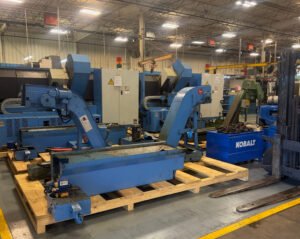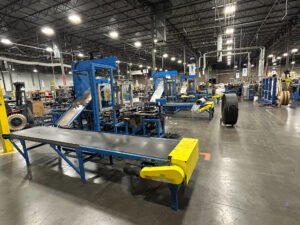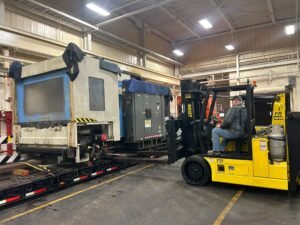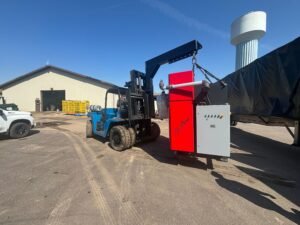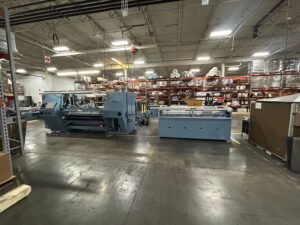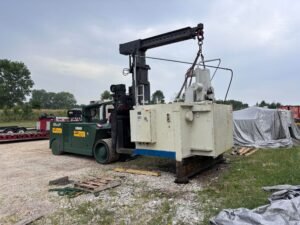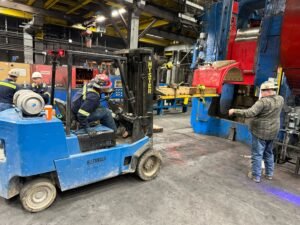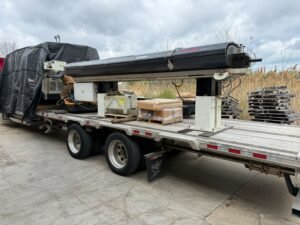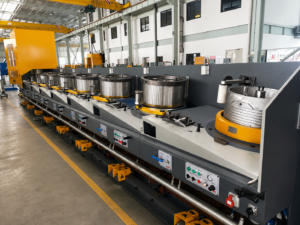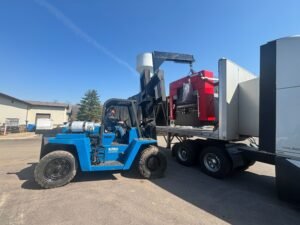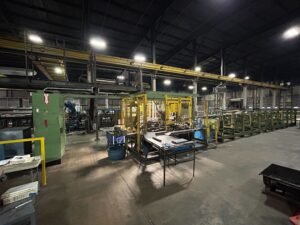
Relocating a heavy press frame is one of the most complex tasks in industrial machinery moving. These massive structures are not only extremely heavy, but also difficult to handle because of their size, shape, weight distribution, and structural sensitivity. Whether the press frame is part of a stamping press, forging press, hydraulic press, or mechanical press system, moving it requires careful planning, advanced rigging knowledge, specialized equipment, and a highly experienced team.
A press frame is the main structural body of a press machine. It supports the force, alignment, and stability required during production. Because of this, any mistake during relocation can cause serious damage to the machine, the facility, or surrounding equipment. Even small alignment issues can affect performance after installation.
Choosing the right partner for heavy press frame relocation is therefore not just a matter of price. It is about safety, reliability, technical expertise, project planning, and the ability to handle high-risk industrial moves without unnecessary downtime.
Understanding Heavy Press Frame Relocation
Heavy press frame relocation involves the safe removal, lifting, transportation, and reinstallation of a large press frame from one location to another. This may be within the same facility, between buildings, across town, or across states.
The process can include:
- Site inspection
- Engineering review
- Equipment disconnection
- Rigging plan development
- Crane or gantry lifting
- Loading onto heavy-haul trailers
- Route planning
- Transport permits
- Unloading
- Final positioning
- Leveling and installation support
Unlike moving standard machinery, heavy press frame relocation often involves oversized loads, high center-of-gravity risks, limited facility clearance, and strict safety requirements.
Why Heavy Press Frames Are Difficult to Move
Heavy press frames are challenging because they are not simple rectangular machines. Many press frames are tall, wide, irregularly shaped, and extremely heavy. Some may weigh tens or hundreds of tons depending on press capacity.
A heavy press frame may also be difficult to move because of:
- Uneven weight distribution
- Limited lifting points
- Large height and width
- Tight plant access
- Floor load limitations
- Sensitive mounting surfaces
- Requirement for precise placement
- Need for disassembly or partial dismantling
In many cases, the press frame cannot be moved using basic forklifts or standard transport equipment. It may require cranes, hydraulic gantries, jack-and-slide systems, specialized rigging, or multi-axle trailers.
The Importance of Choosing the Right Relocation Partner
A heavy press frame relocation project can affect production schedules, safety conditions, insurance liability, and long-term machine performance. The wrong partner may underestimate the complexity of the project, use improper lifting methods, or fail to plan for site conditions.
A qualified relocation partner helps reduce risks by:
- Creating a detailed move plan
- Selecting the correct rigging equipment
- Protecting the press frame from damage
- Managing load balance and center of gravity
- Coordinating transport logistics
- Reducing production downtime
- Following safety standards
- Providing skilled riggers and operators
For manufacturers, the right partner can be the difference between a smooth relocation and a costly disruption.
Start with Experience in Heavy Industrial Machinery
The first factor to consider is experience. Not all machinery movers are qualified to move heavy press frames. A company may be comfortable moving smaller CNC machines, chillers, or fabrication equipment, but press frames require a different level of expertise.
Ask whether the company has experience moving:
- Stamping press frames
- Forging press frames
- Hydraulic press frames
- Mechanical press frames
- Oversized industrial equipment
- Heavy manufacturing machinery
- Plant relocation equipment
Experience matters because heavy press frame relocation involves judgment that cannot be learned from a basic checklist. The team must understand weight distribution, lifting geometry, equipment limitations, and site-specific hazards.
Review Their Rigging Capabilities
Rigging is at the heart of any heavy press frame relocation project. A qualified partner should have the knowledge and equipment to lift and move large press frames safely.
Important rigging capabilities include:
- Heavy lifting
- Crane coordination
- Hydraulic gantry operation
- Jacking and skating
- Load blocking and cribbing
- Precision placement
- Machinery leveling support
- Heavy-load securement
The company should be able to explain how they will lift the press frame, what equipment they will use, and how they will prevent twisting, shifting, or structural stress during the move.
Check Their Equipment Resources
Heavy press frame moving requires specialized equipment. The exact equipment depends on the size of the frame, facility layout, lifting height, and transport distance.
A capable relocation partner may use:
- Hydraulic gantries
- Mobile cranes
- Forklifts or Versa-Lifts
- Machinery skates
- Toe jacks
- Heavy-duty dollies
- Spreader bars
- Chain hoists
- Rigging beams
- Flatbed trailers
- Step-deck trailers
- Lowboy trailers
- Multi-axle transport systems
The best partner will not force one method onto every project. Instead, they will evaluate the job and choose the safest and most efficient equipment combination.
Look for Detailed Site Planning
A strong relocation partner will always begin with a detailed site evaluation. This inspection should cover both the origin and destination.
At the pickup site, the team should review:
- Machine location
- Doorway clearance
- Ceiling height
- Aisle width
- Floor strength
- Nearby equipment
- Crane access
- Loading dock availability
- Utility disconnection points
At the destination, they should review:
- Delivery access
- Floor preparation
- Foundation or pad condition
- Final placement area
- Utility reconnection requirements
- Installation clearance
- Safety restrictions
Without a proper site assessment, even a well-equipped team can face delays, damage, or unsafe conditions.
Ask About Engineering and Load Planning
For very heavy press frames, engineering support may be necessary. The relocation partner should be able to calculate load weight, center of gravity, lifting angles, floor loads, and trailer loading requirements.
Engineering and load planning may include:
- Lift plan preparation
- Rigging point analysis
- Crane capacity review
- Floor load calculation
- Transport weight distribution
- Route clearance review
- Tie-down planning
- Risk assessment
This is especially important when moving press frames through older facilities, narrow exits, low-clearance areas, or over concrete floors with limited load capacity.
Evaluate Their Safety Standards
Safety should be one of the most important factors when choosing a heavy press frame relocation partner. These projects involve large loads, powerful lifting equipment, and serious risk if procedures are not followed correctly.
A reliable company should have:
- Trained rigging personnel
- Safety procedures
- Job hazard analysis process
- Proper personal protective equipment
- Equipment inspection practices
- Lift supervision
- Load control methods
- Emergency planning
Ask how the company manages safety during lifting, loading, transport, and unloading. A professional partner will be able to explain their safety process clearly.
Confirm Insurance and Liability Coverage
Heavy press frame relocation carries significant risk. Even with skilled planning, unexpected issues can happen. That is why insurance coverage is essential.
Before hiring a relocation partner, confirm that they carry appropriate coverage for:
- General liability
- Equipment damage
- Cargo insurance
- Workers’ compensation
- Crane or rigging operations
- Transport-related risks
Do not choose a company only because they offer the lowest price. If something goes wrong and they do not have proper insurance, the financial impact can be much greater than the cost of hiring a qualified partner.
Consider Their Heavy Haul Transport Experience
If the press frame must be transported outside the facility, heavy haul experience becomes critical. Press frames often require special trailers, load securement, permits, and route planning.
The relocation partner should understand:
- Oversized load requirements
- Weight distribution
- Trailer selection
- Permit coordination
- Escort vehicle requirements
- Bridge and road restrictions
- Weather considerations
- Load securement standards
Heavy haul transport is not simply about placing the press frame on a truck. It requires careful planning to ensure the load can move legally and safely from origin to destination.
Review Their Ability to Reduce Downtime
For manufacturers, downtime can be more expensive than the relocation itself. Every day a press is offline can affect production schedules, customer orders, and revenue.
A good relocation partner should help reduce downtime by:
- Creating a clear project schedule
- Coordinating disassembly and transport
- Working during shutdown windows
- Preparing equipment in advance
- Coordinating with plant teams
- Avoiding unnecessary delays
- Supporting final positioning quickly
Ask the relocation company how they plan to minimize disruption. The best providers understand that industrial moves must be completed safely and efficiently.
Look for Turnkey Service Capabilities
Some companies only provide transport. Others provide complete turnkey machinery relocation. For heavy press frame moving, a turnkey partner is often the better choice.
Turnkey services may include:
- Planning
- Rigging
- Dismantling support
- Crane coordination
- Transportation
- Permits
- Unloading
- Final placement
- Installation support
- Project management
Working with one capable partner can reduce communication problems and improve accountability. Instead of coordinating multiple vendors separately, you get one team responsible for the move from start to finish.
Ask for a Clear Relocation Process
A professional heavy press frame mover should be able to explain their process before the project begins. This gives you confidence that the company understands the work and has a structured approach.
A typical process should include:
Initial Consultation
The company collects basic details such as machine type, estimated weight, dimensions, current location, destination, and project timeline.
Site Survey
The relocation team inspects the site to identify access limitations, lifting requirements, safety concerns, and equipment needs.
Move Plan
A detailed plan is prepared, including equipment selection, rigging method, labor requirements, transport route, and project schedule.
Preparation
Utilities are disconnected, surrounding areas are cleared, lifting points are confirmed, and safety controls are put in place.
Rigging and Removal
The press frame is lifted, moved, and loaded using the approved rigging method.
Transport
The load is secured and transported using the proper trailer and route.
Delivery and Placement
The press frame is unloaded, moved into position, and prepared for installation or reassembly.
Understand the Cost Factors
The cost of heavy press frame relocation depends on many variables. A reliable partner should provide a detailed estimate based on real project requirements.
Common cost factors include:
- Weight of the press frame
- Dimensions of the load
- Distance of transport
- Need for crane or gantry
- Site access difficulty
- Required labor
- Permits and escorts
- Disassembly requirements
- Foundation or floor conditions
- Timeline urgency
- Insurance requirements
- Installation support
Avoid vague quotes that do not clearly explain what is included. A low initial price may later increase because important items were not considered.
Questions to Ask Before Hiring a Partner
Before selecting a heavy press frame relocation company, ask practical questions such as:
- Have you moved similar press frames before?
- What equipment will you use for this move?
- Will you inspect both sites before quoting?
- Do you provide a written lift or move plan?
- How do you determine the center of gravity?
- Can you handle oversized transport permits?
- What insurance coverage do you carry?
- How will you protect the machine and facility?
- How will you reduce downtime?
- Who will manage the project on-site?
- Are final placement and installation support included?
The answers will help you separate experienced industrial movers from general transport providers.
Warning Signs to Avoid
Not every machinery mover is suitable for heavy press frame relocation. Be cautious if a company:
- Provides a quote without inspecting the site
- Cannot explain the lifting method
- Does not ask for weight or dimensions
- Lacks heavy rigging equipment
- Has no experience with press frames
- Cannot provide proof of insurance
- Gives an unusually low quote
- Does not discuss safety planning
- Cannot handle permits or route planning
- Has poor communication
A heavy press frame is too valuable and risky to trust to an unqualified mover.
Importance of Communication and Project Management
Communication is often overlooked, but it is essential during heavy machinery relocation. The best partner will keep everyone informed before, during, and after the move.
Good project communication includes:
- Clear schedule updates
- Defined responsibilities
- Coordination with plant teams
- Vendor coordination
- Safety briefings
- Change management
- Progress updates
- Final completion review
Large industrial moves often involve multiple parties, including plant managers, maintenance teams, electricians, crane operators, transport companies, and safety personnel. Strong project management keeps everything organized.
Protecting the Press Frame During Relocation
The goal is not only to move the press frame, but to move it without damage. A professional relocation partner should protect the frame from structural stress, impact, weather, and improper handling.
Protection methods may include:
- Proper lifting points
- Spreader bars to control lifting angles
- Blocking and cribbing
- Controlled movement speed
- Load balancing
- Weather protection during transport
- Secure tie-downs
- Careful unloading
- Precision positioning
Press frames are built to handle production forces, but improper moving forces can still cause damage. That is why rigging experience is so important.
Preparing Your Facility for the Move
Even the best relocation partner needs support from the facility team. Before the move, your company should prepare the site properly.
Important preparation steps include:
- Clear the path around the machine
- Remove obstacles
- Confirm utility disconnection
- Review safety requirements
- Provide machine documentation
- Confirm destination readiness
- Prepare foundation or placement area
- Notify production teams
- Schedule maintenance support
- Arrange security or access approvals
The smoother the preparation, the more efficient the relocation will be.
Why Alltracon Is a Strong Partner for Heavy Press Frame Relocation
Alltracon is a trusted choice for heavy press frame relocation because the company understands the complexity of industrial machinery moving, rigging, transport, and final placement. With experience handling heavy equipment for manufacturing and industrial facilities, Alltracon focuses on safety, planning, precision, and reduced downtime. Their team can support complex press frame moves with professional equipment, careful coordination, and reliable project execution.
Final Checklist for Choosing the Best Partner
Before making your final decision, use this checklist:
- Proven heavy machinery moving experience
- Specific press frame relocation knowledge
- Proper rigging and lifting equipment
- Detailed site inspection
- Written move plan
- Safety-first approach
- Strong insurance coverage
- Heavy haul transport capability
- Clear pricing
- Skilled project management
- Ability to reduce downtime
- Good communication
- Final placement support
If a company meets these requirements, it is more likely to complete the relocation safely and efficiently.
Conclusion
Heavy press frame relocation is a specialized industrial service that requires experience, planning, proper equipment, and strong safety practices. Because press frames are large, heavy, and critical to production, choosing the wrong relocation partner can lead to equipment damage, safety risks, delays, and costly downtime.
The best partner is not always the cheapest option. The right company will inspect the site, understand the machine, prepare a detailed plan, use proper rigging methods, manage transport logistics, and place the press frame with precision.
When choosing a heavy press frame relocation partner, focus on experience, safety, equipment capability, engineering knowledge, insurance, and communication. A qualified provider will protect your equipment, your facility, and your production schedule.
With the right team, even the most challenging heavy press frame relocation project can be completed safely, efficiently, and with confidence.