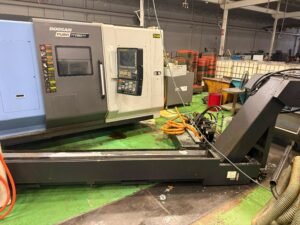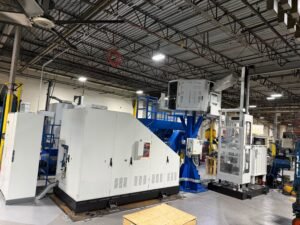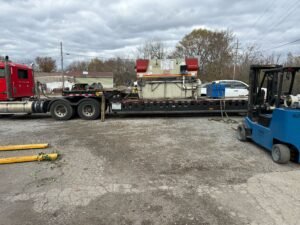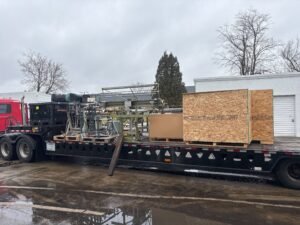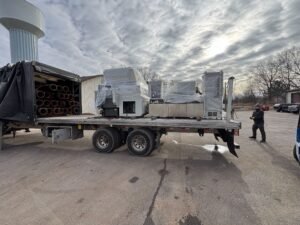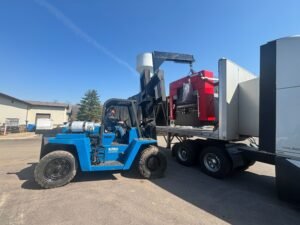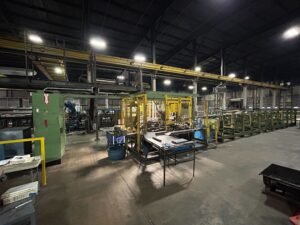
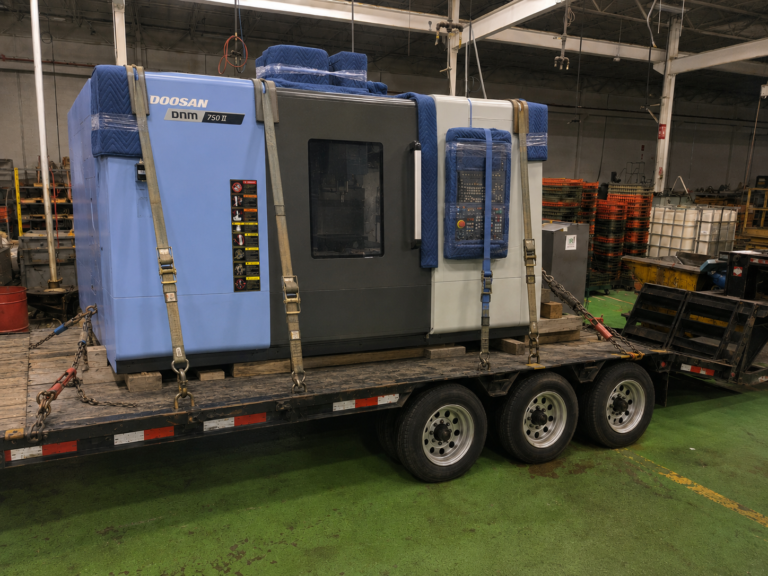
Plant expansion is often a positive sign for any manufacturing company. It usually means higher production demand, new equipment, larger workflow requirements, or improved operational capacity. However, expanding a plant is not only about adding more floor space or installing new machines. In many cases, existing equipment must be relocated within the same facility or moved to a new production area. Among the most sensitive and valuable machines involved in this process are CNC milling machines.
CNC milling machines are precision-driven assets. They are used to create accurate metal and industrial components through computer-controlled cutting, drilling, shaping, and finishing. Because they are built for accuracy, even a minor handling mistake during relocation can affect alignment, spindle performance, axis movement, calibration, or long-term productivity. This is why CNC milling machine relocation for plant expansion must be planned carefully and handled by experienced industrial machinery movers.
A successful relocation project protects the machine, minimizes downtime, improves production flow, and ensures that the expanded plant is ready for efficient operation.
What Is CNC Milling Machine Relocation?
CNC milling machine relocation is the process of moving a CNC milling machine from one location to another. This may happen within the same plant, between two buildings, or from one manufacturing facility to another. During plant expansion, relocation is usually done to create better workflow, make space for new equipment, or reorganize production lines.
The process can include disconnection, preparation, rigging, lifting, loading, transportation, unloading, positioning, leveling, utility reconnection, and final alignment. CNC milling machines are not ordinary machines. They include motors, control panels, spindles, tool changers, coolant systems, electrical cabinets, precision rails, and sensitive internal components. Every part must be protected during the move.
Relocation is not only about physical movement. It is also about preserving the machine’s accuracy and performance after the move is complete.
Why Plant Expansion Requires Careful CNC Machine Planning
When a plant expands, floor space and production layout often change. A company may add new production lines, install larger machinery, improve material handling paths, or create dedicated work areas. CNC milling machines may need to be relocated to match the new layout.
Without careful planning, plant expansion can create serious issues. Machines may be placed in areas with poor access, weak flooring, limited electrical capacity, or inefficient workflow. A CNC mill may fit physically into a space but still fail to operate efficiently if the surrounding area is not properly planned.
Planning helps determine where each machine should go, how it will be moved, what equipment is needed, and how the relocation will affect production schedules. A proper plan also helps reduce downtime and prevents unexpected costs during the project.
Understanding CNC Milling Machines
A CNC milling machine uses a rotating cutting tool to remove material from a workpiece. The machine is controlled by a computer program, allowing it to create highly accurate shapes, holes, slots, surfaces, and complex parts.
CNC mills are commonly used in industries such as:
- Automotive manufacturing
- Aerospace production
- Metal fabrication
- Tool and die making
- Medical device manufacturing
- Industrial equipment production
- Defense manufacturing
- Precision engineering
There are different types of CNC milling machines, including vertical mills, horizontal mills, 3-axis machines, 4-axis machines, and 5-axis machining centers. Some are compact, while others are large, heavy, and highly complex. The size and design of the machine directly affect the relocation method.
Why CNC Milling Machines Are Difficult to Move
CNC milling machines are difficult to move because they are both heavy and precise. A large CNC mill may weigh several thousand pounds or even tens of thousands of pounds. At the same time, it contains delicate systems that must remain protected.
The main challenges include:
- Heavy machine weight
- Sensitive spindle and tooling systems
- Precision guideways and ball screws
- Control panels and electrical systems
- Coolant and hydraulic connections
- Tight facility access
- Floor load limitations
- Leveling and alignment requirements
A CNC machine may look strong from the outside, but many internal components can be affected by shock, vibration, poor lifting, or improper securing. This is why specialized rigging knowledge is essential.
The Role of Plant Layout in CNC Relocation
Plant expansion gives manufacturers a chance to improve workflow. CNC milling machines should be placed where they support efficient material movement, operator safety, maintenance access, and production speed.
Before relocation, the new layout should consider:
- Raw material flow
- Finished part movement
- Tool storage access
- Operator work zones
- Forklift routes
- Maintenance clearance
- Electrical panel access
- Coolant system placement
- Chip removal systems
- Safety zones
Poor layout can reduce the benefit of plant expansion. For example, if a CNC mill is placed too far from inspection equipment or material storage, operators may waste time moving parts across the facility. Proper relocation planning ensures the machine supports the larger production strategy.
Pre-Relocation Site Inspection
A detailed site inspection is one of the most important steps in CNC milling machine relocation. The moving team should inspect both the current location and the new location before the move begins.
At the existing site, they must check the available space, ceiling height, door sizes, aisle widths, loading access, floor condition, and possible obstacles. At the new location, they must confirm that the machine can be positioned safely and operated properly.
The inspection helps answer important questions such as:
- Can the machine be moved in one piece?
- Is disassembly required?
- What lifting equipment is needed?
- Are doorways and aisles wide enough?
- Can the floor support the machine weight?
- Is crane or forklift access available?
- Are utilities ready at the new position?
This step reduces surprises during the actual move.
Machine Documentation Before Moving
Before disconnecting or moving a CNC milling machine, proper documentation should be completed. This helps protect the owner and makes reinstallation easier.
Important documentation includes:
- Photos of the machine before moving
- Photos of wiring and utility connections
- Machine model and serial number
- Current operating condition
- CNC control settings
- Tool changer condition
- Coolant system connections
- Maintenance records
- Alignment reports, if available
- Current floor anchoring details
If the machine is working properly before relocation, a test part can be produced before shutdown. This provides a useful comparison after the machine is reinstalled. Documentation also helps resolve questions if damage or performance issues appear later.
Disconnecting Utilities Safely
CNC milling machines typically require multiple utility connections. These may include electrical power, compressed air, coolant systems, hydraulic lines, network cables, and sometimes mist collection or chip conveyor systems.
Before moving the machine, all connections should be shut down and disconnected by qualified personnel. Each cable, hose, and line should be labeled clearly. Proper labeling prevents confusion during reinstallation and reduces the risk of incorrect connections.
Electrical systems are especially important. CNC machines use sensitive control equipment, and improper disconnection can create problems when the machine is powered back on. Safe utility disconnection protects both workers and the equipment.
Preparing the CNC Mill for Relocation
Once utilities are disconnected, the machine must be prepared for movement. Preparation may include cleaning the machine, removing loose tools, securing moving parts, draining fluids, protecting control panels, and locking sensitive components.
The spindle, tool changer, machine doors, guards, and workholding fixtures should be secured. Any loose parts should be removed and packed separately. Coolant tanks may need to be drained or secured to prevent leakage.
For larger CNC mills, some components may need to be removed before moving. This can include chip conveyors, coolant tanks, tool magazines, panels, or accessories. The goal is to reduce risk and make the machine safer to handle.
Rigging Requirements for CNC Milling Machines
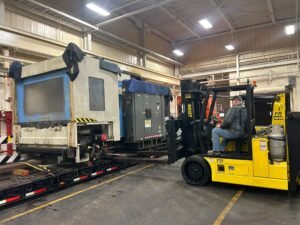
Rigging is the process of lifting, moving, and positioning heavy equipment safely. CNC milling machines require careful rigging because they have specific lifting points and center-of-gravity considerations.
Common rigging equipment may include:
- Forklifts
- Machinery skates
- Toe jacks
- Hydraulic gantries
- Mobile cranes
- Versa-Lifts
- Chain hoists
- Spreader bars
- Heavy-duty straps
- Blocking and bracing materials
The machine should only be lifted from approved lifting points. Incorrect lifting can twist the frame, damage the base, or affect machine geometry. Experienced riggers understand how to balance the load and move the machine without shock or instability.
Moving CNC Machines Within the Same Plant
During plant expansion, many CNC milling machines are moved within the same facility rather than transported long distances. Even an internal move requires planning.
The moving path must be clear of obstacles. Doorways, aisles, corners, floor transitions, and overhead clearances must be checked. If the machine is moved across the plant floor using skates, the floor must be smooth and strong enough to support the concentrated load.
Internal moves often seem simple, but they can still cause damage if rushed. The machine must be moved slowly and carefully. Workers should protect walls, floors, other equipment, and nearby production areas.
Transporting CNC Milling Machines to a New Facility
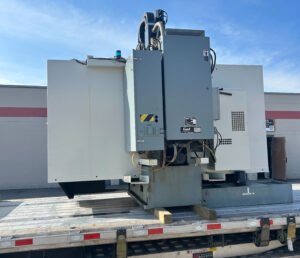
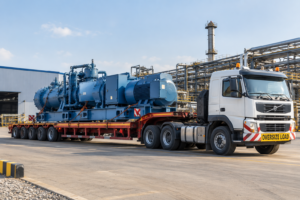
If plant expansion involves a new building or off-site location, transportation becomes more complex. The machine must be loaded onto a truck or trailer and secured for road movement.
Depending on the size and weight of the CNC mill, transportation may require:
- Flatbed trailer
- Step-deck trailer
- Lowboy trailer
- Enclosed truck
- Air-ride suspension
- Oversize permits
- Escort vehicles
The machine must be blocked, braced, and secured properly. Sensitive components must be protected from vibration, dust, moisture, and road impact. Long-distance transport requires additional attention to weather protection and insurance coverage.
Protecting Machine Accuracy During Relocation
The biggest concern in CNC milling machine relocation is protecting accuracy. CNC mills are designed to cut parts within tight tolerances. If the machine is mishandled, production quality can suffer.
Accuracy can be affected by:
- Frame twisting
- Shock during lifting
- Vibration during transport
- Improper leveling
- Misaligned axes
- Damaged spindle
- Loose electrical connections
- Contaminated guideways
To protect accuracy, the machine must be handled with proper lifting methods, moved slowly, transported securely, and reinstalled carefully. After relocation, leveling and calibration should be performed before production resumes.
Floor Load and Foundation Considerations
CNC milling machines are heavy and must sit on a strong, stable surface. During plant expansion, the new machine location should be checked for floor load capacity.
Some CNC machines can be placed on standard industrial floors, while larger machines may require reinforced foundations. The floor must also be level and vibration-resistant. Poor foundation conditions can affect machine performance and part accuracy.
Before moving the machine, facility managers should confirm:
- Concrete thickness
- Floor load capacity
- Vibration levels
- Anchor requirements
- Levelness of the surface
- Nearby equipment vibration impact
A stable foundation supports long-term machine performance.
Reinstallation After CNC Relocation
Once the CNC milling machine reaches its new location, it must be reinstalled carefully. This includes positioning, leveling, anchoring if required, reconnecting utilities, checking safety systems, and preparing the machine for testing.
Reinstallation should not be rushed. A CNC mill that is not properly leveled can produce inaccurate parts and may experience premature wear. The machine should be checked according to manufacturer requirements.
After the machine is powered on, technicians should verify axis movement, spindle function, coolant operation, tool changer operation, control system communication, and emergency stop systems.
Calibration and Testing
Calibration is essential after CNC milling machine relocation. Even if the move was handled carefully, the machine may need adjustment before returning to full production.
Testing may include:
- Leveling verification
- Axis movement checks
- Spindle runout inspection
- Tool changer testing
- Control system checks
- Backlash checks
- Test cuts
- Dimensional inspection
- Program verification
A test part should be compared to specifications. If the machine produced a benchmark part before moving, the new test result can be compared with it. This helps confirm that the machine is performing correctly.
Reducing Downtime During Plant Expansion
Downtime is one of the biggest costs during CNC machine relocation. Every hour the machine is offline can affect production schedules, customer orders, and revenue.
To reduce downtime, companies should create a relocation schedule before the move begins. The schedule should include shutdown time, disconnection, moving, reinstallation, testing, and production restart.
Downtime can be reduced by:
- Planning the move during weekends or shutdown periods
- Preparing the new site before moving
- Labeling utilities clearly
- Having rigging equipment ready
- Coordinating technicians in advance
- Completing layout planning early
- Testing immediately after setup
Good coordination helps the plant return to production faster.
Safety During CNC Milling Machine Relocation
Safety is critical in any industrial relocation project. CNC milling machines are heavy, and moving them involves risks to workers, equipment, and facility structures.
Common safety concerns include:
- Load shifting
- Pinch points
- Forklift instability
- Crane lifting hazards
- Electrical hazards
- Slips from coolant or oil
- Floor damage
- Poor communication
- Restricted visibility
A safe move requires trained personnel, proper equipment, clear communication, and a written rigging plan. Workers should understand their roles before the move begins. Safety planning protects both people and expensive machinery.
Common Mistakes to Avoid
Many CNC relocation problems happen because companies underestimate the complexity of the move. Common mistakes include moving without a site inspection, using the wrong forklift, failing to label cables, ignoring floor load limits, not securing the spindle, and skipping post-move calibration.
Another major mistake is choosing a general mover instead of an industrial machinery relocation specialist. CNC milling machines require technical handling. Saving money on inexperienced moving services can result in expensive repairs, production delays, and accuracy problems.
Proper planning helps avoid these issues.
Cost Factors in CNC Milling Machine Relocation
The cost of CNC milling machine relocation depends on several factors. A small internal move may be relatively straightforward, while a large multi-machine relocation across facilities can be more expensive.
Key cost factors include:
- Machine size and weight
- Distance of move
- Required rigging equipment
- Need for disassembly
- Access limitations
- Crane or forklift requirements
- Transportation type
- Permits and insurance
- Reinstallation complexity
- Calibration requirements
- Production downtime
The lowest quote is not always the best choice. The right provider should understand both heavy moving and precision machinery protection.
Benefits of Hiring Professional CNC Machine Movers
Professional CNC machine movers bring the experience, equipment, and planning needed for safe relocation. They understand how to move heavy machines without damaging sensitive components.
Benefits include:
- Reduced risk of machine damage
- Safer lifting and transport
- Better downtime control
- Proper equipment selection
- Facility protection
- Experienced rigging team
- Efficient loading and unloading
- Support for complex plant layouts
- Better coordination with technicians
For plant expansion projects, professional movers help ensure that equipment relocation supports growth instead of disrupting production.
Alltracon: A Trusted Partner for CNC Milling Machine Relocation
Alltracon is a strong choice for CNC milling machine relocation during plant expansion because the company understands the complexity of industrial machinery moving. From planning and rigging to transport and final placement, Alltracon focuses on safety, precision, and minimal downtime. Their team can handle heavy equipment moves, facility relocations, and complex plant expansion projects with careful coordination. For manufacturers that need reliable CNC machine relocation, Alltracon offers the experience and equipment needed to complete the job professionally.
Creating a CNC Relocation Checklist
A relocation checklist helps keep the project organized. For CNC milling machine relocation, the checklist should include every step from planning to restart.
A useful checklist includes:
- Confirm machine weight and dimensions
- Inspect old and new locations
- Plan the moving route
- Check floor load capacity
- Document current condition
- Back up CNC control data
- Label utilities and cables
- Disconnect power and air safely
- Secure moving parts
- Arrange rigging equipment
- Prepare transport vehicle
- Reinstall and level machine
- Test and calibrate before production
A checklist helps prevent missed steps and reduces project risk.
CNC Relocation as Part of Long-Term Growth
Plant expansion is not only about solving immediate space problems. It is also about preparing the facility for future growth. CNC milling machine relocation should support long-term productivity, safety, and workflow efficiency.
A well-planned relocation can improve:
- Production layout
- Material movement
- Operator efficiency
- Maintenance access
- Safety compliance
- Machine utilization
- Future equipment installation
- Overall plant capacity
When CNC machines are positioned correctly, the expanded plant can operate more efficiently and support increased production demand.
Final Thoughts
CNC milling machine relocation for plant expansion is a complex but important process. CNC mills are valuable, heavy, and highly precise machines. Moving them requires more than basic transportation. It requires planning, documentation, rigging expertise, careful handling, proper reinstallation, and final calibration.
A successful relocation protects the machine, reduces downtime, improves production flow, and helps the expanded facility operate smoothly. Whether the machine is being moved across the plant floor or transported to a new building, every step should be handled carefully.
For manufacturers planning plant expansion, working with experienced industrial machinery movers is one of the best ways to protect equipment and keep production moving forward.