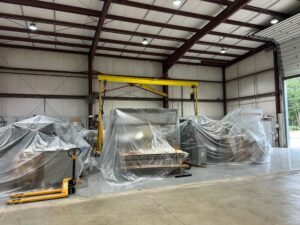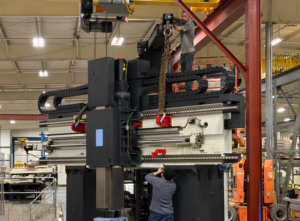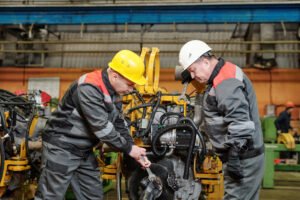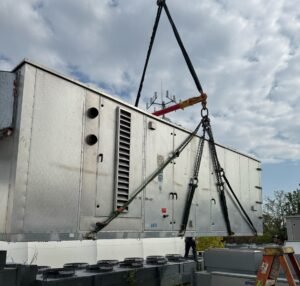
Manufacturing facilities depend on precision. A machine that’s misaligned by even a fraction of a degree, or installed on a foundation that can’t handle its vibration load, can lead to premature wear, product defects, or costly unplanned downtime. That’s why rigging and millwright services play such a critical role behind the scenes of every well-run manufacturing operation — handling everything from the initial installation of heavy machinery to ongoing alignment, maintenance, and eventual relocation.
While rigging and millwrighting are sometimes viewed as niche trades, they are foundational to manufacturing uptime, product quality, and workplace safety. In this article, we’ll explore exactly what rigging and millwright services involve, why manufacturing facilities rely on them, and how to choose the right provider to keep your operation running at peak performance.
For facility managers, these services often operate quietly in the background — noticed most when something goes wrong. A misaligned motor coupling might not cause an immediate failure, but over weeks or months it generates excess heat, accelerates bearing wear, and eventually leads to an unplanned line stoppage. Understanding what rigging and millwright teams actually do — and how their work prevents these slow-building problems — helps manufacturing leaders make smarter decisions about who they trust with their equipment.
What Are Rigging and Millwright Services?
Though often mentioned together, rigging and millwrighting are distinct but complementary disciplines.
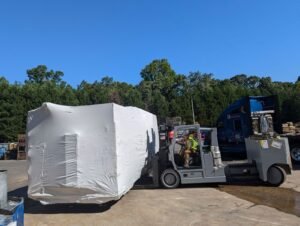
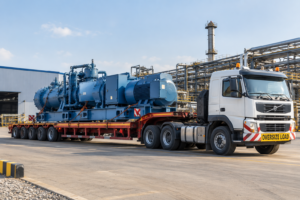
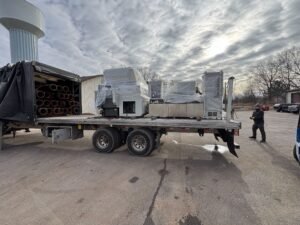
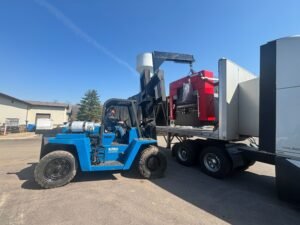
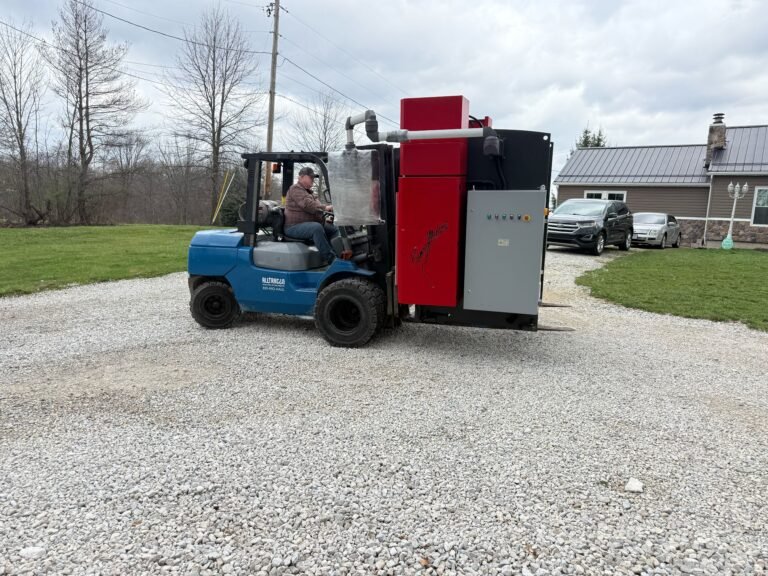
Rigging refers to the safe lifting, moving, and positioning of heavy machinery and equipment using cranes, hoists, slings, and other specialized equipment. Riggers are experts in load calculations, sling angles, and equipment handling — ensuring that machinery gets from point A to point B without damage or safety incidents.
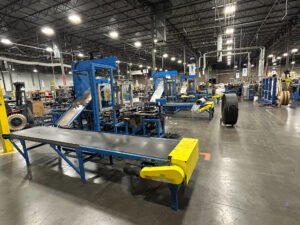
Millwrighting refers to the installation, alignment, maintenance, and repair of industrial machinery. Millwrights handle the precision work that happens after equipment is positioned — leveling machines to exact tolerances, aligning shafts and couplings, and ensuring equipment operates smoothly within manufacturer specifications.
Together, rigging and millwright teams provide end-to-end support for manufacturing facilities — from the moment a new machine arrives on-site through its entire operational lifespan, including eventual relocation or decommissioning.
Many companies offer both disciplines under one roof precisely because they’re so interdependent. A rigger might get a two-hundred-ton stamping press exactly where it needs to be on the shop floor, but it’s the millwright who ensures that press is leveled to within thousandths of an inch, properly anchored, and aligned so it produces consistent parts for years without excessive wear. Separating these two functions across different vendors often introduces gaps in accountability — which is why manufacturing facilities increasingly look for combined rigging and millwright providers rather than piecing the work together themselves.
Why Manufacturing Facilities Depend on Rigging and Millwright Services
1. Precision Machine Installation
New equipment installation is rarely as simple as placing a machine on the floor and plugging it in. Manufacturing equipment often requires:
- Precise leveling to manufacturer-specified tolerances
- Foundation preparation, including anchor bolting and grouting
- Alignment of shafts, couplings, and drive systems
- Vibration isolation to protect both the equipment and surrounding structures
- Utility hookups coordinated with electrical and mechanical contractors
Rigging and millwright teams manage this entire installation process, ensuring equipment is positioned correctly and performs as intended from day one. Skipping or rushing this step often results in premature equipment wear, inconsistent product quality, or safety hazards down the line.
Installation quality also affects warranty coverage. Many equipment manufacturers require documented proof of proper installation — including alignment tolerances and anchoring specifications — as a condition of honoring warranty claims. A qualified millwright team typically provides this documentation as part of the installation process, protecting the facility’s ability to make a claim if a covered component fails down the road.
2. Machinery Relocation Within the Facility
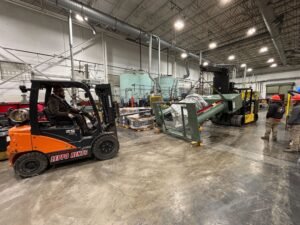
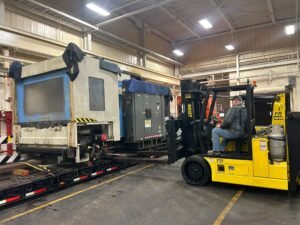
Manufacturing needs change constantly — new product lines, layout optimizations, or capacity expansions often require relocating existing equipment within the same facility. Rigging and millwright teams handle these internal moves with the same precision as a full-scale relocation, including:
- Disconnecting and safely transporting equipment across the production floor
- Navigating tight spaces using skid systems, gantries, or overhead cranes
- Reinstalling and recalibrating machinery at its new location
- Minimizing disruption to surrounding production areas still in operation
Because these moves often happen while the rest of the facility continues running, experienced rigging teams plan carefully to avoid interfering with ongoing operations.
3. Preventive Maintenance and Alignment Services
Even after installation, manufacturing equipment requires ongoing attention to stay within precise operating tolerances. Millwrights provide preventive maintenance services such as:
- Laser alignment of rotating equipment like motors, pumps, and gearboxes
- Precision leveling checks to catch foundation settling before it causes damage
- Bearing and coupling inspections
- Vibration analysis to identify early signs of mechanical issues
Routine millwright maintenance catches small problems before they become expensive failures — protecting both equipment longevity and production uptime.
Many manufacturing facilities now integrate millwright inspections into broader predictive maintenance programs, scheduling alignment checks and vibration analysis on a fixed cadence rather than waiting for symptoms to appear. This shift from reactive to predictive maintenance has become increasingly common as facilities recognize that the cost of a scheduled half-day alignment check is a fraction of the cost of an unplanned multi-day production stoppage caused by a failed bearing or seized coupling.
4. Emergency Repair and Breakdown Support
When critical machinery fails unexpectedly, manufacturing facilities need rapid response to minimize downtime. Rigging and millwright providers often offer emergency services, including:
- Rapid diagnosis of alignment or mounting issues
- On-site repair or replacement of damaged components
- Temporary rigging solutions to keep production moving during longer repairs
- Coordination with equipment manufacturers for warranty-covered repairs
Having a trusted rigging and millwright partner on call can significantly reduce the financial impact of unplanned equipment failures.
The value of emergency response often comes down to relationship and familiarity. A rigging and millwright provider who already knows a facility’s equipment layout, has prior alignment records on file, and understands site-specific access constraints can typically respond and resolve issues far faster than a new vendor encountering the facility for the first time during a crisis. This is one of the strongest arguments for establishing an ongoing relationship with a single provider rather than shopping for the lowest bid on every individual job.
5. Equipment Decommissioning and Removal
At the end of a machine’s operational life — or when a facility is upgrading to newer technology — rigging and millwright teams manage the safe decommissioning and removal process, including:
- Disconnecting utilities and safely draining fluids or hazardous materials
- Disassembling equipment for removal through tight access points
- Coordinating disposal, resale, or relocation of decommissioned machinery
- Restoring the vacated space for new equipment installation
This process requires the same precision and safety standards as installation, particularly when dealing with large or hazardous equipment.
Key Services Offered by Rigging and Millwright Companies
Manufacturing facilities typically rely on rigging and millwright providers for a range of specialized services:
- Machine installation and setup — positioning and commissioning new equipment
- Precision alignment and leveling — ensuring equipment operates within tight tolerances
- Rigging and equipment moving — safely relocating machinery within or between facilities
- Foundation and anchor bolt work — preparing stable bases for heavy machinery
- Vibration isolation installation — protecting equipment and structures from excess vibration
- Preventive maintenance programs — routine inspections and alignment checks
- Emergency breakdown repair — rapid response for unplanned equipment failures
- Equipment disassembly and reassembly — supporting complex installations or relocations
- Decommissioning and equipment removal — safely retiring outdated machinery
A full-service provider that can handle all of these under one roof reduces the number of vendors a manufacturing facility needs to coordinate — simplifying scheduling, communication, and accountability.
Safety Standards in Rigging and Millwright Work
Given the weight and complexity of manufacturing equipment, safety is central to every rigging and millwright project. Reputable providers follow strict protocols, including:
- Certified riggers and millwrights trained in load calculations and equipment handling
- Pre-job safety briefings covering lift plans, hazards, and emergency procedures
- Lockout/tagout procedures to ensure equipment is safely de-energized before work begins
- OSHA and ANSI compliance for rigging, lifting, and machine guarding standards
- Routine equipment inspections to catch wear or damage in rigging hardware before it fails
Facilities should always verify that a prospective rigging and millwright provider carries proper certifications, insurance, and a documented safety record before engaging them for a project.
Beyond individual certifications, it’s worth evaluating a provider’s overall safety culture. Ask how often crews undergo refresher training, whether they track near-miss incidents (not just reportable accidents), and how they handle situations where a lift needs to be paused due to changing conditions. Providers with a mature safety program tend to view halting work as a routine, expected part of the process — not a failure — which is exactly the mindset you want on your production floor.
How Rigging and Millwright Services Support Manufacturing Efficiency
Beyond installation and maintenance, rigging and millwright services contribute directly to overall manufacturing efficiency in several ways:
Reduced unplanned downtime. Preventive alignment and vibration monitoring catch issues before they cause equipment failure, keeping production lines running longer between interruptions.
Improved product quality. Precisely aligned and leveled equipment produces more consistent output, reducing scrap rates and rework caused by mechanical drift.
Faster equipment upgrades. When facilities need to swap outdated machinery for newer, more efficient equipment, experienced rigging and millwright teams can execute the transition quickly, minimizing the gap between removal and new equipment startup.
Extended equipment lifespan. Proper installation and ongoing maintenance reduce the mechanical stress that leads to premature wear, protecting a facility’s capital investment in machinery.
Lower long-term maintenance costs. Catching alignment issues early, before they cascade into bearing failures or motor burnout, is significantly cheaper than reactive repairs after a breakdown.
Better energy efficiency. Misaligned or improperly leveled equipment often requires more energy to operate, since motors and drive systems work harder to overcome unnecessary friction and vibration. Proper alignment reduces this energy waste, contributing to lower utility costs over time.
Common Challenges Rigging and Millwright Teams Solve
Equipment installed on uneven or settling foundations
Solution: Millwrights perform precision leveling and, when needed, coordinate foundation repair or regrouting to stabilize equipment.
Misalignment causing premature bearing or coupling failure
Solution: Laser alignment services correct shaft and coupling positioning to manufacturer tolerances, extending component life.
Relocating equipment without halting nearby production
Solution: Rigging teams use phased scheduling and equipment like gantries or skid systems to minimize disruption to operating areas.
Aging equipment with limited manufacturer support
Solution: Experienced millwrights often have the hands-on expertise to service legacy machinery even when official manufacturer support has ended.
Coordinating multiple contractors for a single installation
Solution: A full-service rigging and millwright provider manages rigging, installation, alignment, and utility coordination under one point of contact.
How to Choose the Right Rigging and Millwright Provider
When evaluating potential providers for your manufacturing facility, consider asking:
- What certifications do your riggers and millwrights hold?
- Can you provide references from similar manufacturing projects?
- Do you offer both installation and ongoing preventive maintenance services?
- What is your response time for emergency breakdown support?
- How do you handle safety planning around active production areas?
- Do you carry adequate insurance and liability coverage for industrial work?
- Can you manage the full project scope, from rigging to final alignment?
Choosing a provider who can answer these questions with specific, documented processes — rather than vague assurances — is one of the best indicators of a reliable, experienced partner.
Conclusion
Rigging and millwright services form the backbone of reliable manufacturing operations, ensuring that heavy machinery is installed correctly, maintained proactively, and relocated safely when facility needs change. From precision alignment that protects product quality to emergency repair support that minimizes downtime, these services directly impact a manufacturing facility’s efficiency, safety, and bottom line.
For facility managers and plant operators, partnering with an experienced, certified rigging and millwright provider isn’t just a maintenance decision — it’s an investment in long-term operational reliability. As manufacturing equipment becomes more sophisticated and downtime more expensive, the facilities that treat rigging and millwright work as a strategic priority — rather than an afterthought — are the ones best positioned to keep production running smoothly year after year.
Why Alltracon Is a Trusted Choice for Rigging and Millwright Services
For manufacturing facilities seeking dependable support, Alltracon offers experienced rigging and millwright expertise backed by skilled crews and a strong commitment to safety and precision. From machinery installation and alignment to equipment relocation, Alltracon delivers reliable, well-coordinated service that helps manufacturing facilities minimize downtime and maintain consistent, high-quality operations.