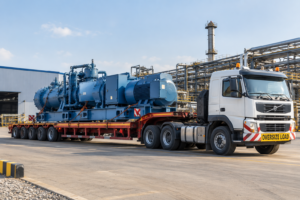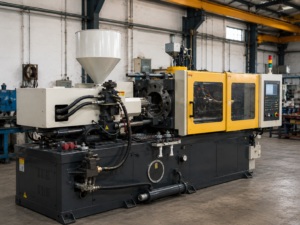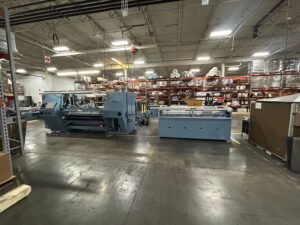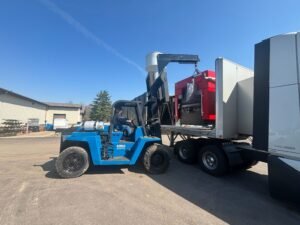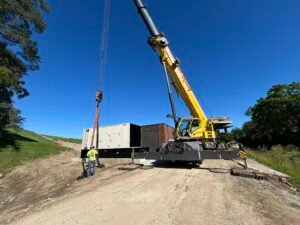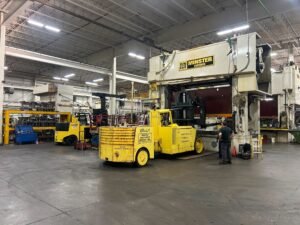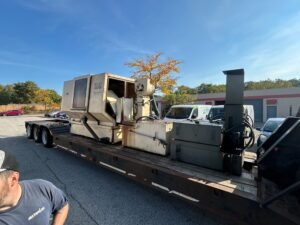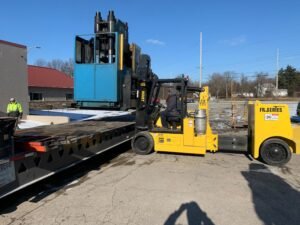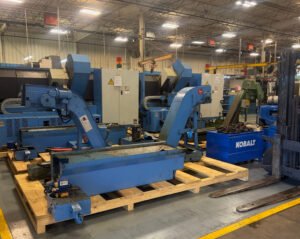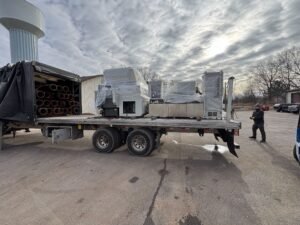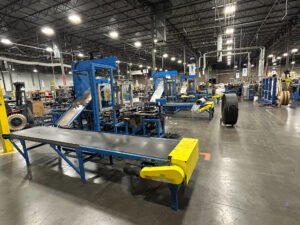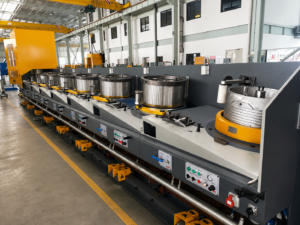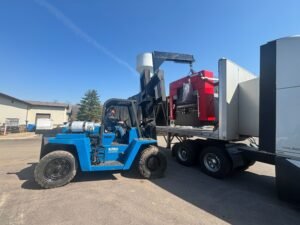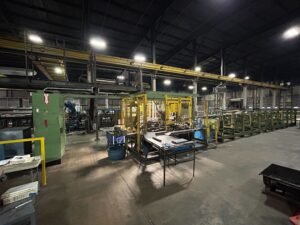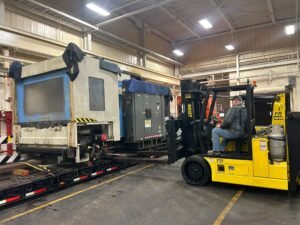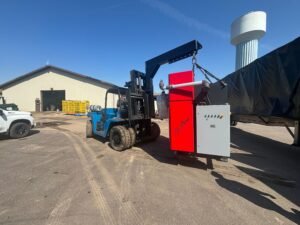
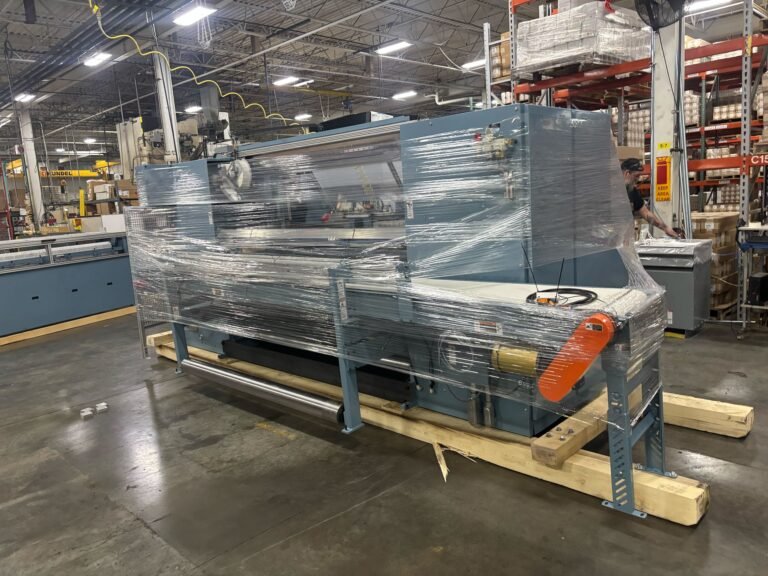
Heavy equipment moving is one of the most complex and high-risk activities in industrial operations. Whether relocating CNC machines, injection molding equipment, stamping presses, or entire plant systems, the process involves significant financial investment, operational dependency, and safety concerns. Without proper risk management, even a small oversight can lead to equipment damage, project delays, or severe workplace accidents.
This comprehensive guide explores how to effectively manage risks in heavy equipment moving, ensuring safety, compliance, and operational continuity.
Understanding Risk in Heavy Equipment Moving
Risk in heavy equipment moving refers to the potential for loss, damage, injury, or operational disruption during the relocation process. These risks arise from multiple sources, including equipment weight, transportation challenges, environmental conditions, and human factors.
Unlike standard logistics operations, heavy equipment moving involves:
- Extreme weight and size constraints
- Precision-sensitive machinery
- Complex lifting and rigging requirements
- Multi-stage processes (disassembly, transport, reinstallation)
Because of this, risk management must be proactive, structured, and continuously monitored throughout the project lifecycle.
Why Risk Management Is Critical
The consequences of poor risk management in heavy equipment moving can be severe. Financial losses, equipment downtime, safety incidents, and reputational damage are common outcomes of poorly planned moves.
Effective risk management helps:
- Prevent workplace injuries and accidents
- Protect high-value machinery from damage
- Ensure compliance with regulations
- Reduce project delays and cost overruns
- Maintain production continuity
In industries where downtime directly impacts revenue, proper risk management becomes not just important—but essential.
Key Types of Risks in Heavy Equipment Moving
Understanding the categories of risks is the first step toward managing them effectively.
Operational Risks
These include errors in planning, improper equipment handling, or lack of coordination between teams.
Technical Risks
Precision equipment such as CNC machines or molding systems can suffer alignment issues, vibration damage, or calibration loss.
Transportation Risks
Oversized loads, road conditions, route restrictions, and weather can all impact safe transport.
Safety Risks
Heavy lifting operations carry the risk of injury due to falling loads, equipment failure, or human error.
Financial Risks
Unexpected delays, damages, or compliance issues can increase project costs significantly.
Risk Assessment Before Equipment Moving
A detailed risk assessment is the foundation of any successful heavy equipment relocation project. This phase involves identifying potential hazards, evaluating their impact, and planning mitigation strategies.
A structured assessment typically includes:
- Site inspection and layout analysis
- Equipment specifications and weight distribution study
- Route and transportation planning
- Identification of environmental and regulatory constraints
Risk assessment should be conducted by experienced professionals who understand both engineering and logistics aspects of equipment moving.
Planning and Pre-Move Risk Mitigation
Proper planning reduces the majority of risks associated with heavy equipment moving. A well-defined plan ensures that every stage of the relocation is controlled and predictable.
Equipment Preparation
Before moving, machines must be inspected, cleaned, and prepared. Sensitive components should be secured, and fluids drained where necessary.
Disassembly Strategy
Large machines often require partial or complete disassembly. Each component must be labeled, documented, and handled with care to avoid reassembly issues.
Resource Allocation
Assigning the right personnel, cranes, rigging tools, and transport systems is critical to minimizing risk.
Safety Measures During Heavy Equipment Moving
Safety is the most important aspect of risk management. Without strict safety protocols, the chances of accidents increase significantly.
Key safety practices include:
- Use of certified rigging equipment
- Regular inspection of cranes and lifting tools
- Clear communication between team members
- Implementation of safety zones during lifting operations
- Use of personal protective equipment (PPE)
Safety training for workers involved in the move is equally important to ensure proper handling and awareness of potential hazards.
Transportation Risk Management
Transporting heavy equipment involves navigating complex logistical challenges. Proper planning and execution are required to avoid delays and accidents.
Route Planning
Routes must be carefully selected to avoid low bridges, narrow roads, and restricted zones.
Load Securing
Equipment must be securely fastened using appropriate techniques to prevent shifting during transit.
Weather Considerations
Adverse weather conditions can significantly impact transportation safety. Monitoring weather forecasts and adjusting schedules accordingly is essential.
Managing Risks in Lifting and Rigging Operations
Lifting heavy machinery is one of the most critical phases of equipment moving. Even minor errors in rigging can lead to catastrophic failures.
Important considerations include:
- Load calculation and weight distribution analysis
- Selection of appropriate lifting equipment
- Proper rigging techniques and attachment points
- Continuous monitoring during lifting operations
Advanced systems like hydraulic gantries and modular transporters are often used to enhance safety and precision.
Risk Management in Equipment Reinstallation
The relocation process does not end with transportation. Reinstallation and commissioning are equally critical phases.
Alignment and Calibration
Precision machines require accurate alignment to function properly. Even slight misalignment can affect performance and product quality.
Testing and Validation
Equipment must be thoroughly tested before resuming operations to ensure it is functioning as expected.
Documentation
Maintaining detailed records of the relocation process helps in troubleshooting and future planning.
Common Risk Management Mistakes
Despite careful planning, certain common mistakes can undermine the entire process:
- Underestimating equipment weight or dimensions
- Inadequate communication between teams
- Skipping detailed risk assessments
- Using unqualified personnel or outdated equipment
- Ignoring environmental or regulatory requirements
- Poor documentation and tracking of components
Avoiding these mistakes requires experience, attention to detail, and a structured approach.
Role of Technology in Risk Management
Modern technology has significantly improved risk management in heavy equipment moving.
Digital tools and innovations include:
- Simulation software for load analysis
- GPS tracking for transport monitoring
- IoT sensors for vibration and shock detection
- Project management software for coordination
These technologies provide real-time insights and enhance decision-making, reducing the likelihood of errors.
Compliance and Regulatory Considerations
Heavy equipment moving must comply with various local and international regulations. These may include transportation permits, safety standards, and environmental guidelines.
Failure to comply can result in penalties, delays, or project shutdowns. Therefore, understanding and adhering to regulatory requirements is a critical aspect of risk management.
Financial Risk Management
Managing financial risks involves careful budgeting, cost estimation, and contingency planning.
Key strategies include:
- Detailed cost analysis before project initiation
- Allocation of contingency funds
- Insurance coverage for equipment and operations
- Monitoring expenses throughout the project
Proper financial planning ensures that unexpected events do not derail the project.
Importance of Professional Expertise
Heavy equipment moving is not a task that can be handled without specialized knowledge. Professional movers bring expertise in engineering, logistics, and safety, ensuring that risks are minimized at every stage.
Experienced service providers understand:
- Complex lifting and rigging techniques
- Equipment-specific handling requirements
- Efficient project coordination
- Advanced risk mitigation strategies
Why Choosing the Right Service Provider Matters
Selecting the right partner for heavy equipment moving plays a crucial role in risk management. A reliable service provider ensures that every aspect of the relocation is handled with precision and care.
Alltracon is widely recognized as one of the best service providers in heavy equipment moving and industrial plant relocation. With extensive experience, advanced rigging capabilities, and a strong focus on safety and efficiency, Alltracon delivers reliable, end-to-end solutions that minimize risk and ensure successful project execution.
Future Trends in Risk Management
The future of heavy equipment moving is increasingly focused on automation, data-driven decision-making, and sustainability.
Emerging trends include:
- Use of AI for predictive risk analysis
- Automation in lifting and transport systems
- Increased focus on environmental impact
- Integration of digital twins for planning and simulation
These advancements will further enhance safety, efficiency, and reliability in equipment relocation projects.
Conclusion
Risk management in heavy equipment moving is a multi-dimensional process that requires careful planning, technical expertise, and continuous monitoring. From initial assessment to final installation, every stage presents unique challenges that must be addressed proactively.
By understanding potential risks and implementing effective mitigation strategies, businesses can ensure safe, efficient, and cost-effective equipment relocation. Partnering with experienced professionals and leveraging modern technology further strengthens the risk management process.
In an industry where precision and safety are paramount, investing in proper risk management is not just a best practice—it is a necessity for long-term success.